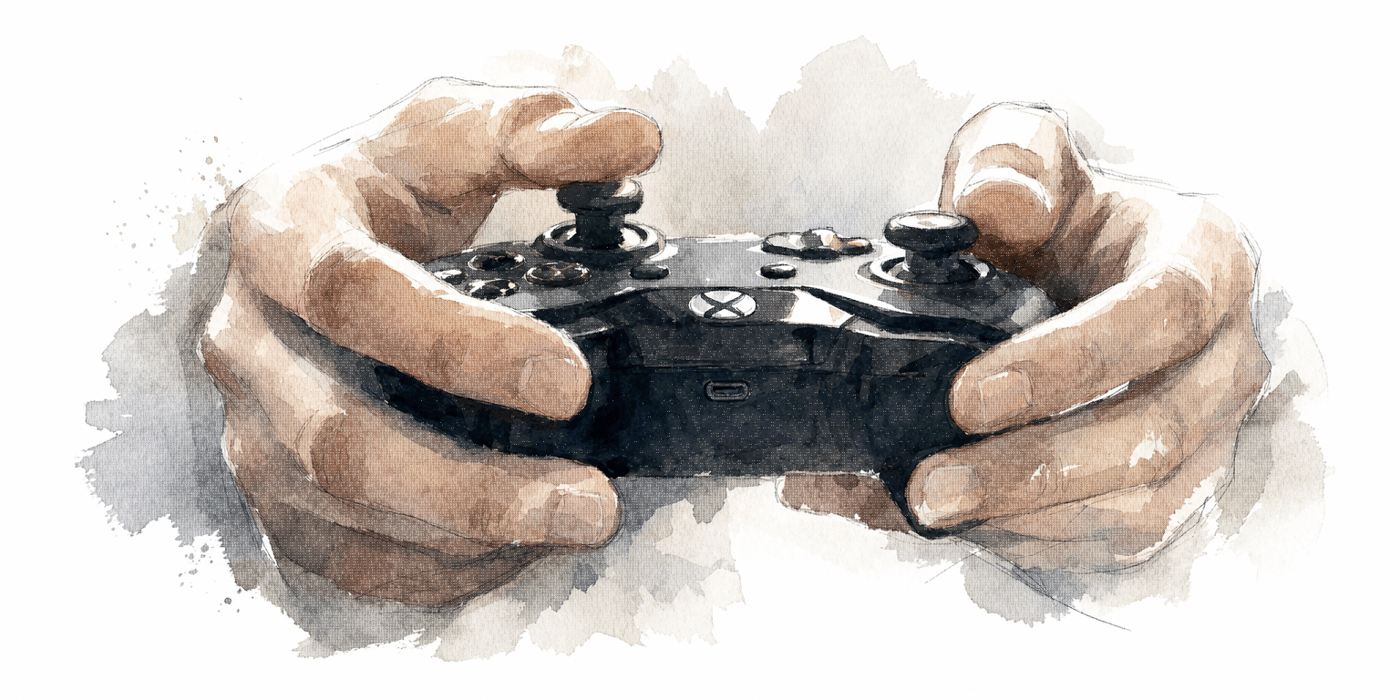

After 13 years of anticipation, Grand Theft Auto 6 finally launched on November 19 — and apparently the entire world lost its mind as a result. Gamers skipped work, couples negotiated contracts, and some women are even debating whether their boyfriends having fictional relationships constitutes cheating.
Meanwhile, players expecting car theft and criminal chaos have found themselves ... performing household chores, from grocery shopping to painting walls to assembling furniture. The unexpected domestic responsibilities have left some wondering whether someone’s wife snuck into the development process to make sure husbands and boyfriends couldn’t escape their real-life responsibilities, even while playing a video game.
Between the unprecedented excitement and the controversies surrounding its content, the game has become much more than just another highly anticipated release.
Rockstar Games’ long-awaited game drop has become a cultural and economic phenomenon. According to The Guardian, work leave requests surged 32% globally on launch day, while millions of social media posts flooded the internet. The game reportedly generated $3.79 billion in worldwide first-day retail sales, according to Rockstar’s estimates reported by the Associated Press.
But the excitement has also sparked some unexpected, even ridiculous, controversies, as men went to extraordinary lengths to enjoy the first few days of the game without interruption, asking their wives and girlfriends to sign agreements promising not to interfere with their gaming sessions.
One Scottish father took things especially seriously, arranging an entire week off work and convincing his wife and daughter to sign a “non-interference contract.” According to BBC Scotland, the agreement temporarily relieved him of household chores and other family obligations in exchange for financial compensation.
“We’re not allowed to ask him to do any sort of household chores,” his wife explained.
The man acknowledged that the agreement started as a joke, but the payments were real. His wife received £50, while his daughter collected £20. Apparently, uninterrupted gaming now comes with a signing bonus.
Naturally, some women have responded with contracts of their own.
One viral video featured a girlfriend demanding a “Sephora tax” for every day her boyfriend spent gaming, along with additional date nights for missed quality time. She even introduced a “Lucia clause,” requiring extra romantic attention to compensate for time spent with the game’s female protagonist.
And that brings us to another bizarre controversy.
Some women are apparently concerned that their partners’ fictional relationships could constitute cheating. GTA 6 follows Jason and Lucia, a criminal couple navigating the fictional state of Leonida. Their relationship is central to the story, although it’s not a requirement to pursue a relationship with a virtual girlfriend.
Still, some women weren’t willing to take that chance. In one viral exchange, a wife put her foot down, insisting that her husband couldn’t play GTA 6 because his character, Jason, would be involved in a romantic relationship with another woman — although fake — which she considered a form of infidelity. Despite his repeated attempts to explain that it was just a game, she refused to budge.
While that reaction might seem excessive, it touches on a legitimate concern about technology increasingly replacing real-world relationships. As video games and AI become increasingly realistic, with characters capable of responding in ways that mimic human interaction, concerns about people forming emotional attachments to fictional characters aren’t entirely unreasonable.
Beyond the potential impact on real-life relationships, another controversy has emerged over the game’s content and the unexpected responsibilities its characters must take on.
Players expecting violence and police chases have instead shared clips of Jason performing household chores, including grocery shopping, painting, assembling furniture, and installing drywall.
This sparked reactions ranging from hilarious amusement to outright outrage.
Well-known streamer Asmongold went viral for suggesting the game was designed more for women than men. “I think the entire relationship that Jason has with Lucia is about fulfilling the fantasy of a woman, and not a man,” he argued.
His frustration has fueled the idea that the game incorporates modern feminist messaging, depicting Lucia as the dominant partner who makes the decisions while Jason simply follows her lead.
One of Jason’s tasks involves installing drywall, a seemingly routine job that has nevertheless drawn criticism from real-life contractors who noticed he was doing almost everything wrong. One professional reacted, “This is GTA 6, and the most offensive thing I’ve seen so far is a drywall hanging mission,” before pointing out the numerous mistakes Jason makes throughout the process.
The issue isn’t having a man complete repairs and take care of the house. But modern entertainment seems to have developed an unfortunate habit of making men appear incompetent or submissive to establish women as strong, independent leaders.
In reality, a strong woman doesn’t need a man to be weak to demonstrate her own strength and independence.
Other clips circulating online have also sparked controversy over their apparent emphasis on modern political and social issues, including feminist protesters chanting about the patriarchy and animal-rights activists attempting to liberate a polar bear, only to discover that good intentions don’t eliminate dangerous consequences.
Yes, Grand Theft Auto has always satirized American culture, including politicians, corporations, celebrities, consumerism, and social movements. Featuring ridiculous activists doesn’t necessarily mean the developers endorse their message. In fact, they may actually be the punchline.
But the heavy focus on today’s social and political issues makes it hard to believe these elements are simply background satire, rather than a deliberate attempt to promote specific narratives.
That raises a broader issue about what audiences should be able to expect from movies, shows, and games in the first place.
The concern isn’t that these things occasionally touch on controversial issues, but people are increasingly questioning whether anything can simply exist for enjoyment anymore — or whether we should expect all entertainment to become another opportunity to shape how we think about gender, relationships, politics, and society.
It’s frustrating.
Sometimes people just want to steal a fictional car, outrun the police, and escape reality for a few hours without being dragged into another cultural debate.
And after waiting more than a decade, taking time off work, and negotiating gaming time with their spouses, fans deserve a few hours of escape without the cultural debates and to-do lists they hoped to leave behind for a bit.