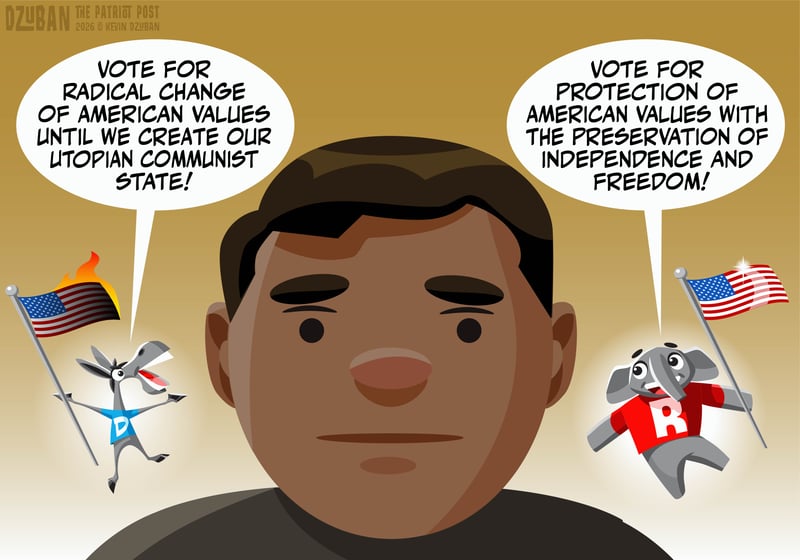
Every election arrives wrapped in a story about its importance. In the weeks before a midterm, we hear that this is the most consequential election in our lifetime, perhaps the most important election ever. The language is understandable. Campaigns want attention, parties want energy, and citizens feel the weight of decisions that affect their families and communities. Yet voters should approach the moment with seriousness, not panic. An election matters greatly, but no single election contains the whole story of America or decides the country’s fate by itself.
Our nation has never traveled a straight, peaceful road. From its earliest days, the United States has wrestled with the distance between its founding ideals and the lived reality of its people. We have faced wars, economic upheaval, bitter regional conflict, social unrest, threats to democratic institutions, and periods when neighbors regarded one another with suspicion. Some chapters brought profound suffering and injustice. Remembering that history should not minimize those losses or suggest that every crisis passes easily. It should remind us that the work of building a nation has always required courage, patience and participation.
The country has endured because generations of Americans continued to take responsibility for its future. They organized, argued, served, voted, protested, negotiated and rebuilt. They challenged laws and customs that denied people their rights. They strengthened institutions, sometimes by defending them and sometimes by demanding that they live up to their promises.
That history offers voters perspective. It does not tell us that today’s problems are small or that every candidate and policy is equally consequential. Decisions made by elected officials can shape schools, public safety, health care, economic opportunity, taxes, the courts and the responsibilities we owe one another. Midterm elections determine who writes laws, oversees government and speaks for communities. Citizens should study those choices closely. But we should resist the suggestion that the nation will be lost forever if one side wins — or saved forever if the other does. That kind of certainty turns political judgment into fear and makes it harder to see our fellow citizens clearly.
Hype can be useful to campaigns, but it is a poor guide for voters. Fear narrows attention. It encourages us to treat every disagreement as a threat and every opponent as an enemy. It can make rumors seem more convincing than evidence and slogans more satisfying than serious answers. Democracy needs energy, but it also needs restraint: the discipline to check claims, learn what candidates propose, ask who benefits and who bears the costs, and distinguish criticism from contempt.
The most constructive response is not apathy. It is informed participation. Read beyond a headline. Compare a candidate’s words with their record. Ask how a proposed policy would work in practice, what it would cost, and whether it addresses the problem it names. Listen to people whose experiences differ from your own. If you are uncertain, seek reliable information rather than letting a viral post make the decision for you. Then vote. Encourage others to participate too, without shaming or intimidating them. A free choice is meaningful only when it belongs to the voter.
We should also remember that citizenship does not begin and end at the ballot box. Elections are a vital expression of public will, but they are one part of a larger responsibility. After the votes are counted, communities still need people willing to volunteer, serve on local boards, support good schools, care for neighbors, attend public meetings, and hold leaders accountable. Those habits make democracy more durable than any campaign slogan can. They also help restore trust, because people can see the work being done close to home.
We can honor the stakes of this election without declaring it the last chance for the republic. We can recognize real dangers while refusing to be ruled by alarm. We can disagree sharply and still speak truthfully, accept lawful results and remember that those who vote differently remain part of the same country. Such restraint is not weakness; it is a form of civic strength.
America has survived much throughout its history, but survival alone is not the goal. We want a nation that learns from its failures, protects the rights of its people, and creates room for future generations to do better. That future will not be delivered by one election, nor erased by one election. It will be shaped by millions of choices, including the choice each voter makes now.
So go to the polls with urgency but also with perspective. Treat your vote as precious, your neighbors as fellow citizens, and the truth as more important than a convenient talking point. The country has faced harder seasons and continued forward because people kept showing up. Let us do the same thoughtfully, peacefully and with faith in our ability to keep building together.
COPYRIGHT 2026 CREATORS.COM