
It’s not often that a sitting CIA director takes an unannounced trip abroad, and even less so to the capital city of a geopolitical foe.
On the other hand, Donald Trump isn’t Barack Obama or Joe Biden. Whereas the former is inclined to talk with any nation if doing so can further the interests of the United States, the latter two were inclined only to embark upon worldwide apology tours, draw toothless red lines in the sand, and sanction full-on invasions by calling them minor incursions.
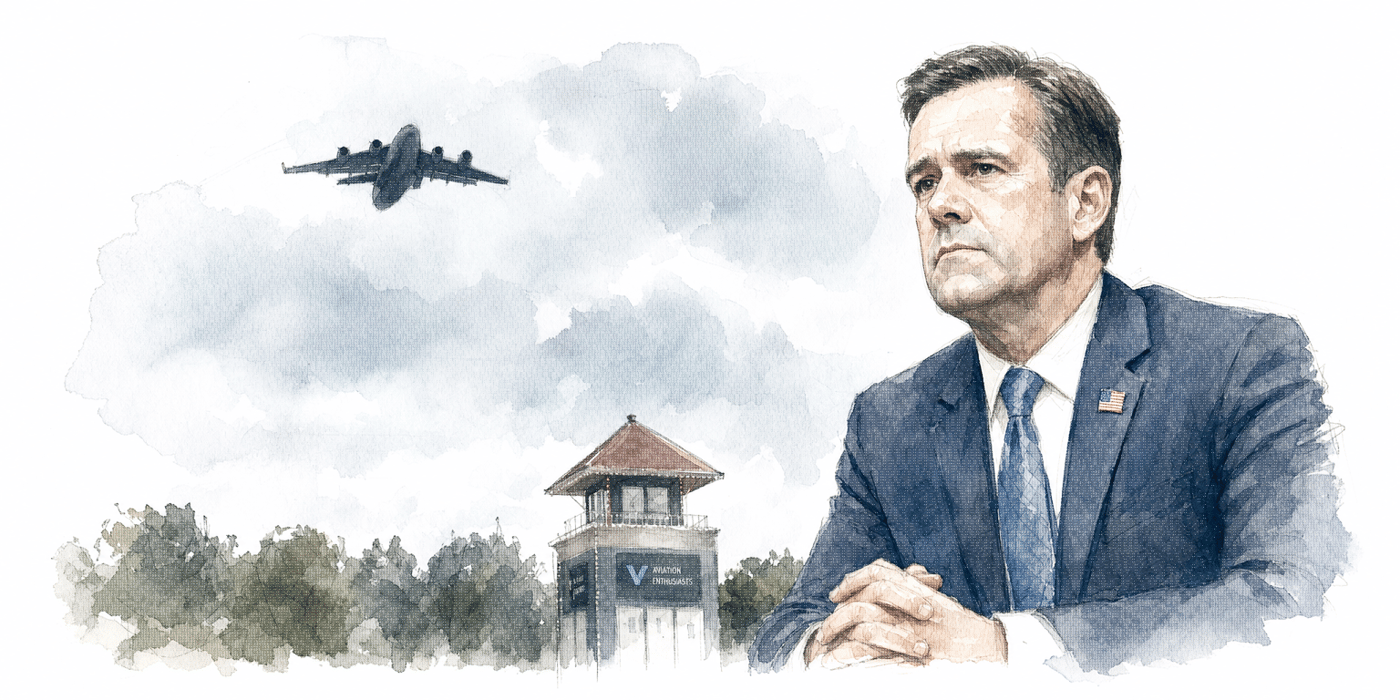
Yesterday morning in Moscow, CIA Director John Ratcliffe stepped off a U.S. Air Force Boeing C-17A Globemaster III transport plane and into a diplomatic motorcade for high-level meetings with the Russians. As CBS News reports, “The CIA did not comment on his trip, but Kremlin spokesman Dmitry Peskov told reporters in Moscow on Wednesday that Ratcliffe held talks with Russian intelligence officials during his visit, but that he did not meet President Vladimir Putin.” (The Globemaster is the largest plane in the American arsenal, and it must’ve been quite a sight for the locals.)
Peskov added that relations between the two countries are in a “deep crisis,” which is an artful way of saying that the Trump administration’s pressure campaign, meant to end Russia’s murderous 54-month-long war with Ukraine, is wearing them out both militarily and economically.
It’s against this backdrop, then — with Russia mired in Ukraine and the U.S. mired in the Persian Gulf — that Ratcliffe went to Moscow. But there’s something more at stake here, and it comes from recent U.S. intel assessments. As CBS News adds, “Putin’s risk calculus may be shifting, with the Russian leader potentially increasingly willing to authorize provocative actions against NATO members — including hybrid operations and other deniable measures short of conventional military action — in order to test the resolve of the alliance and the Trump administration.”
Beth Sanner, a former U.S. deputy director of national intelligence for mission integration, suggests that Ratcliffe might be there to warn the Russians: “It could be to say, ‘We know what you are thinking about doing, and you better not.’ It could also be about the Iran ceasefire and putting someone else in the discussion.” Additionally, Sanner said, this could be about Russia’s recent show of support for Iran. If Ukraine’s grim resolve is getting on Putin’s nerves, Iran’s intransigence is no doubt doing the same to Trump.
Clearly, though, Moscow has greater respect for Trump than it did Biden or Obama. And, as The Wall Street Journal reports, even as diplomatic ties between the two countries are strained, “The Kremlin has valued continuing ties between the intelligence services of Russia and the U.S.”
Russia-based intel analyst Rustam Churyakov puts it this way: “The U.S. has supported Ukraine since the very beginning of the war and from the point of view of our state, it’s an opponent, but colleagues from intelligence agencies like these can discuss a large number of issues more freely than politicians.”
All this is but one more reason to prefer Trump’s muscular and pragmatic diplomacy as opposed to the weak-kneed appeasement of his White House predecessors. To this point, we can be sure that neither Trump nor his lieutenants will issue public warnings like “Don’t” without first having said so privately, and without also being fully prepared to back them up. Thus, Biden’s Doctrine of Don’t has been replaced by Trump’s Framework of FAFO.
Here, recent history is instructive. As the Journal reports, “During the Biden administration, then-CIA Director William Burns, who had earlier served as ambassador to Russia, made at least one trip to Moscow in November 2021. He warned Putin against invading Ukraine, citing intelligence the U.S. collected about his plans for an all-out assault.”
So tough-talking Scranton Joe warned Russia about invading Ukraine — and Putin responded by farting in his general direction.
On the other hand, during Trump’s first term, as U.S. forces were mopping up the remnants of ISIS near Syria’s border with Iraq, Russian mercenaries made the mistake of firing on the Americans. And how did Trump respond? By greasing scores of them with airstrikes from drones and B-52 bombers.
Weakness is provocative, and both Donald Trump and Vladimir Putin know it.
Update 8/27: The Wall Street Journal reports, “The surprise visit by the director of the Central Intelligence Agency to Moscow this week was to deliver a warning to Russia not to attack NATO countries.” Given how badly Russia’s invasion of Ukraine is going at the moment, that seems to be an unnecessary warning.
On that count, “Something may come out of it,” President Trump said. “We’re working very hard to get that war ended, and frankly they both want to see it ended at this point.”