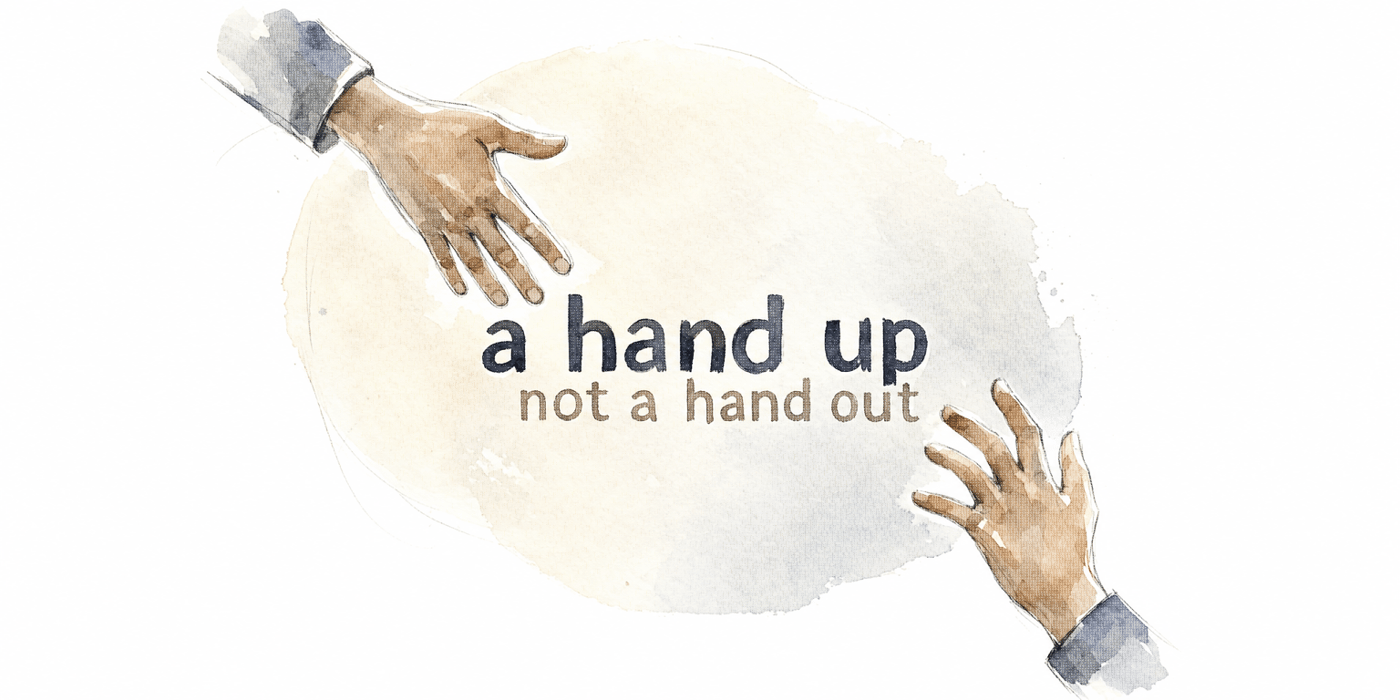

Each year, Americans give billions of dollars to food banks, social service organizations, and other charities. It’s a tradition dating back to our founding, rooted in our Christian values and our innate obligation to help those in need.
During the late 19th and early 20th centuries, progressive activists pushed for state and federal welfare programs to feed the hungry and help the unemployed. President Franklin D. Roosevelt and the Democrats created the Aid to Dependent Children program as part of the Social Security Act. In the 1960s, President Lyndon Johnson’s “Great Society” war on poverty led to the creation of the food stamp program.
These programs certainly helped Americans struggling to put food on the table, but for too long, they were handouts without any strings attached. This created a culture of expectancy and dependency — the purpose of those who wanted people relying on the government. Once a social service program is created, it’s followed by a growing bureaucracy to run it, increased political pressure to expand it, and a constituency that expects it.
Public welfare programs also remove the human element from the process. When compassionate neighbors reach out to help others live independent, productive, and dignified lives, communities grow stronger. For politicians, the only thing more important than running welfare programs is the public image that they’re taking care of people.
“The programs were meant to ensure that people with disabilities who were unable to work, pregnant mothers, and people temporarily out of work because of an economic downturn would have a safety net,” the Foundation for Government Accountability explains. “But now at least 35 million able-bodied adults are not working and instead enrolling in welfare programs. These individuals are siphoning resources from the truly needy while burdening taxpayers and putting stress on the budget, leading to massive deficits.”
Decades passed until President Ronald Reagan included the first work requirements for welfare recipients, and people began to think about reforming a system that created a generational culture of dependency. Then came the Republican Revolution of 1994 when the GOP took the reins of power in the House of Representatives for the first time in 40 years. Taking a cue from Reagan’s efforts and led by House Speaker Newt Gingrich, Republicans proposed a new bill focused on breaking the cycle of poverty, not sustaining it. The Temporary Assistance for Needy Families would replace the Aid to Families with Dependent Children program. TANF limited cash payments to five years and required parents to work to keep their payments.
As Gingrich explains now, “The centerpiece — replacing the Aid to Families with Dependent Children program with Temporary Assistance for Needy Families — created incentives that encouraged people to acquire the habits and skills that form the basis of independence. The results were stunning. There was a sharp increase in employment for single mothers with children, especially between 1996 and 2000. The rate of poverty among African American children reached record lows. The number of adults collecting welfare checks dropped from 4.4 million in 1995 to 570,000 in 2024.”
In addition to increasing work experience and wages for single mothers, “The law also sharply reduced welfare payments to groups that should never have been on the dole, including noncitizens, inmates, and drug addicts, yielding major and continuing savings for taxpayers,” writes Matt Weidinger at National Review. “Policymakers and the public interested in more personal responsibility and work and less welfare dependence and poverty should recall these lessons and apply similar reforms to the balance of the safety net.”
Another federal program that’s been around for generations is the Supplemental Nutrition Assistance Program. SNAP was created as a pilot in 1939 and then became permanent under President Johnson. The number of Americans receiving benefits as part of the SNAP grew from 17 million in 2000 to 43 million in 2023. Recently, that number has declined thanks to expanded work requirements and anti-fraud measures implemented by the Trump administration’s One Big Beautiful Bill Act last year. For example, since May 2025, the number of SNAP recipients fell 13% to roughly 36 million.
The Associated Press reports, “The new law requires most people who previously had been exempt from requirements to either work, volunteer or go to school to get benefits. It now includes those ages 55 to 64, and those with children ages 14 to 17. Those 65 and older or with children younger than 14 remain exempt, as do those with health limitations.”
The debate over whether government should be sending out welfare payments in the first place should continue, but for now the new work requirements are an important step in restoring dignity to those receiving benefits. In the end, it’s the most compassionate way to help them break free from a cycle of poverty and dependence.
Leftists measure success by the number of people enrolled in a program. But if these programs exist at all, the goal should be to serve as a bridge for people to stand on their own feet.