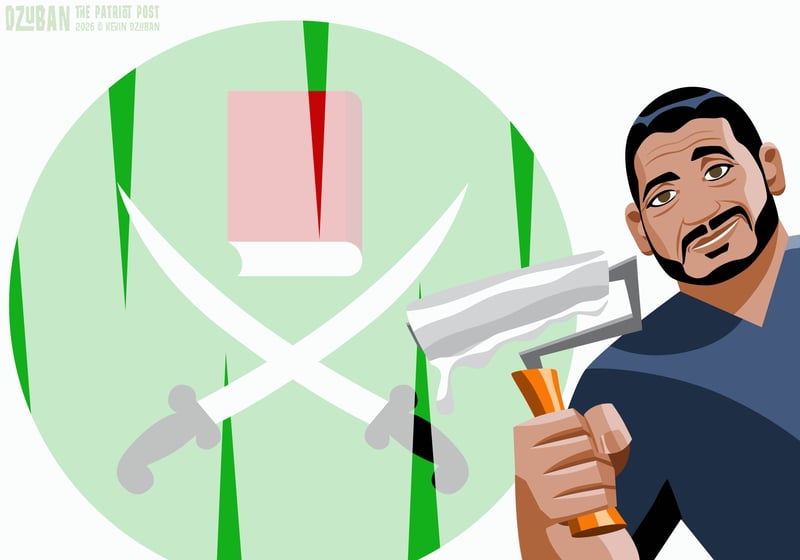

Ben Crump is a prominent civil rights attorney known for his ability to shape public opinion, often before all the facts of a situation are fully known. This skill has earned him both admiration and criticism, particularly in high-profile cases involving police encounters and racial injustice.
In 2021, Crump drew national attention when he claimed that 16-year-old Ma’Khia Bryant was unarmed when she was shot by police. His comments fueled widespread outrage and garnered significant media attention. However, the narrative shifted dramatically when body camera footage was released, showing that Bryant was holding a large knife and moving toward another young woman when the officer fired. Despite this evidence, Crump did not retract his initial statements, which raised questions about the accuracy of his claims and their impact on public perception.
Crump’s influence was also evident in the case of Michael Brown, who was shot by a police officer in Ferguson, Missouri, in 2014. As Brown’s family attorney, Crump became a leading voice in the “Hands up, don’t shoot” movement, asserting that Brown was surrendering when he was shot. This narrative played a crucial role in igniting protests and discussions about police brutality and racial injustice across the United States. However, after a Department of Justice investigation concluded that evidence did not support Crump’s claims about Brown’s actions at the time of the shooting, he did not publicly retract his statements, further complicating the discourse surrounding the case.
In another case, Crump represented the family of Trey Reed, a college student found hanging from a tree in Mississippi. Crump held press conferences demanding “the truth” while rumors circulated online suggesting that Reed had been lynched and suffered multiple broken bones. The official autopsy determined that Reed’s death was a suicide and that there were no broken bones. Despite this, Crump did not address the inaccuracies surrounding the case. He had commissioned a private autopsy and promised to share its findings, but that report was never made public, leaving many questions unanswered.
More recently, following the police shooting of Jacob Blake in Kenosha, Wisconsin, Crump described Blake as unarmed and peaceful. However, he did not correct his statements when investigators later revealed that Blake was carrying a knife and had actively resisted arrest after being tased multiple times. Blake himself acknowledged that he was not compliant during the encounter.
In summary, while Ben Crump has played a significant role in raising awareness about issues of what he deems racial injustice, his tendency to make definitive statements before all facts are verified has led to criticism and possible defamation lawsuits. This approach highlights the complex interplay between public narrative and the pursuit of justice, raising important questions about the impact of misinformation in high-stakes situations.