
Last week, the lead article headline on The Washington Post’s front page proclaimed, “A small group of U.S. national security officials has been discreetly advising state governments and congressional lawmakers on how to prepare for the possibility that the Trump administration will attempt to interfere in November’s midterm elections.” The article is worth reading, although not for its advertised message.
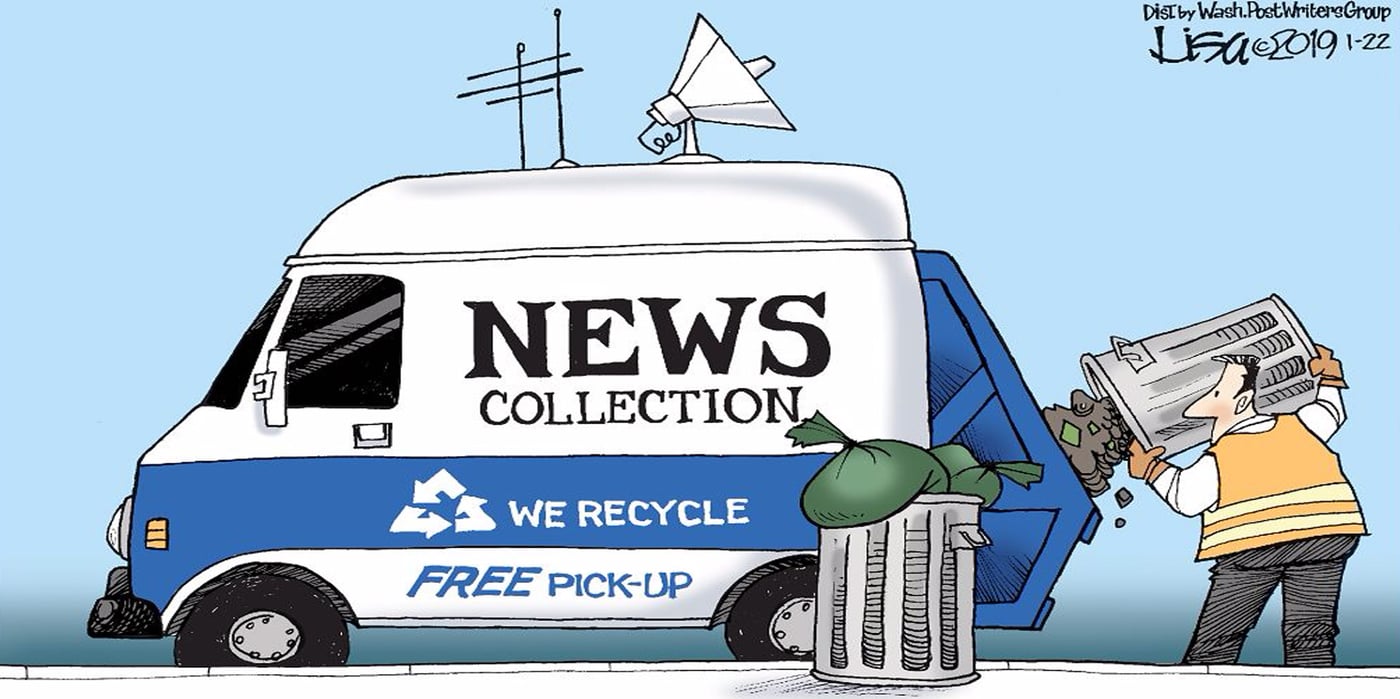
It would be hard to find a clearer example of media bias in action. Fourteen days before the 2026 midterm elections, the unabashedly left-leaning Washington Post pitches a news piece masquerading as shocking new information about the coming elections — but that is actually just a warmed-over rehash of a tired old partisan hit piece, serving no objective other than last-minute voter influence.
Based on both the Post article headline and its carefully worded content, the apparent message conveyed is: Big news, folks! Your worries that Donald Trump will either obstruct the voting or refuse to abide by the election’s outcome turn out to be valid — our own government is anticipating that he will do so and is moving aggressively to thwart his attempts to subvert our democracy.
But actually, it doesn’t say that. Read it again, carefully. The article is riddled with innuendo, head fakes, and irrelevant sidelines. Let’s count the ways.
The core of the Post article is the revelation that a group of “government officials,” increasingly concerned about potential election interference by the president and his minions, has been actively consulting with officials of 10 states who share their fears, “including governors, election officials and members of the House and Senate of both parties,” to help in finding ways to thwart such interference.
The group raising the warning flag evidently comprises “about 10” unnamed members of either current or previous administrations. We don’t know who they are, their political alignment, or the federal or state government positions they hold now or once held. The lack of information about their governmental jobs, and the absence of modifiers such as “senior,” suggest that the term “government officials” means simply persons employed by the government.
Moreover, the authors acknowledge that the article is based entirely on discussions with only two members of the group of 10, and that those two spoke with the Post authors strictly on the condition of anonymity — expressly “for fear of retaliation” — to protect their identities and the identities of the “lawmakers and state leaders” with whom they interacted.
That’s odd. Retaliation by whom? On any given weeknight, we can turn on the TV and hear comments from not just pundits but elected Democrat leaders spewing all manner of vile assertions about Trump, evidently without a care in the world about retaliation.
Even more curious is the fact that, as reported, that while the concerned group remains generally in contact with the officials of those 10 states, evidently only one state continues to meet with the group “as it works to address vulnerabilities.” Hmm — interactions dwindling from 10 states to one: does that sound like the supposed house-on-fire concern about the drastic problems of elections just days ahead?
Throughout, The Washington Post article carefully resurrects the full gamut of the Orange Man Bad assertions that they’ve been peddling for years — among them, pivotally, Trump’s apparent willingness to overturn unfavorable (to him) election results, as he is so often accused of doing after the 2020 presidential election.
In these columns, I’ve routinely argued that what Democrats like to call “overturning” an election is essentially nothing more than the very common (and sometimes successful) process of losing candidates “challenging” the results of very tight elections. In 2020, confronting the (still) highly suspect election returns, candidate Trump mounted furious efforts to challenge those returns prior to their official certification.
Obviously, he let that situation get out of hand on January 6. But we often see similarly aggressive election result challenges. Who can forget Al Gore’s retraction of his own concession to George W. Bush in the 2000 presidential election, based on late-breaking questions about vote-counting in Florida — leading to two months of multiple recounts, ballot-by-ballot inspection and interpretation of “hanging chads,” and ultimately Supreme Court intervention? And subsequently, further assessments confirmed that Bush actually did win the election, albeit by a very close margin.
Painful as it was, the system worked. Why was Gore never accused of attempting to “overturn” the 2020 election result?
In this case, the Post article asserts that the mystery group’s concerns “are motivated not by political bias, they say, but a growing sense of alarm” — although without identification of any source of the supposedly growing concerns. And it includes a disclaimer of sorts — that views expressed reflect their “personal analysis,” rather than “access to specific government or information to which they have access.” Aha: we can accept their sincerity, but acknowledge that they’re acting on their own instincts, not hard information.
The bottom line: it sure seems like a lot about nothing. Are we somehow surprised to learn that 10 unnamed government officials, past or present, subscribe to the notion that President Trump is a threat to democracy? Or that they find receptive audiences in 10 states?
While I acknowledge my own biases, let me offer and alternative assessment of what this is all about:
The Democrats repeated warnings about possible election interference — and The Washington Post’s readiness to publicize them — is not so much an advisory to the voting public as it is an opportunity to resurrect and refresh the public distrust of our elected president, his party, and his political supporters.
And perhaps with a touch of hypocrisy, The Washington Post warns of the potential danger of the administration exerting undo influence on the electorate, while ignoring the effect of its own efforts along those lines implicit in this piece of “news.”