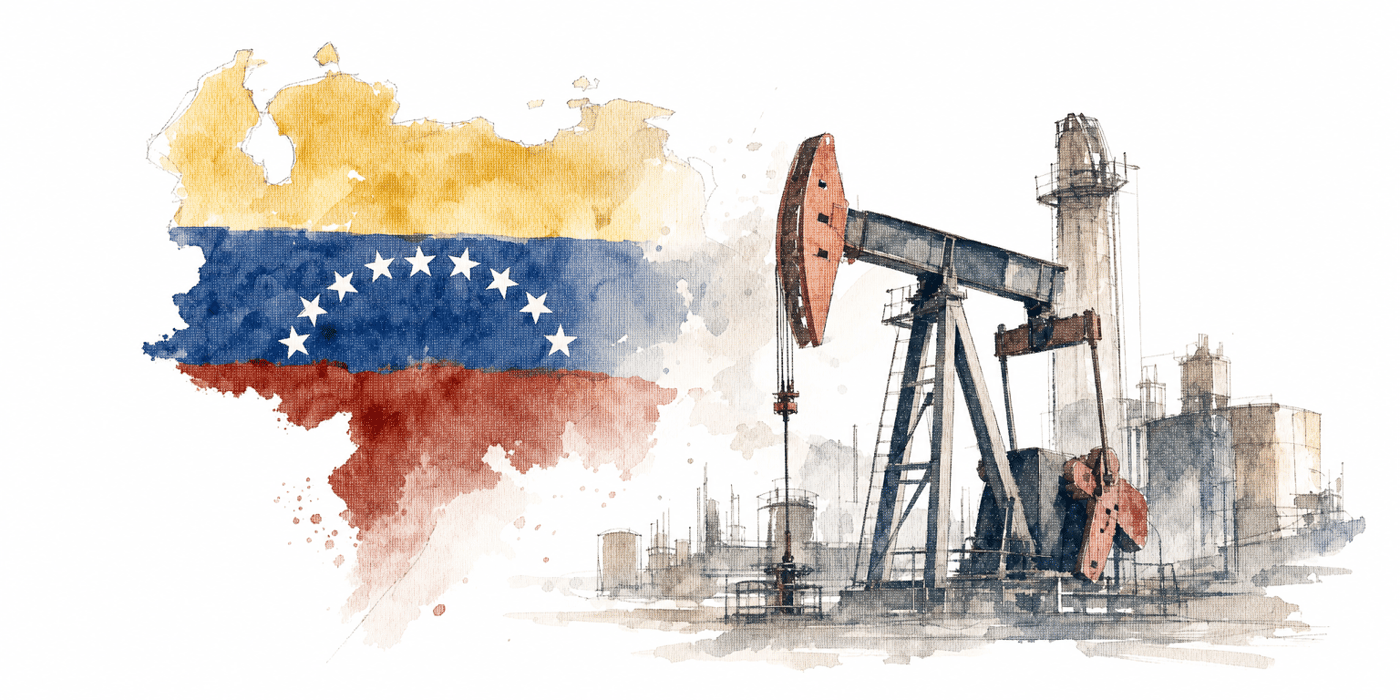

In 2007, Hugo Chavez sent men with rifles into the Orinoco Belt. They walked into oilfields Americans had surveyed, Americans had drilled and American engineering had made productive and told ExxonMobil and ConocoPhillips to take a minority stake in their own work or get out. Those two got out. Chevron stayed and ate two decades of abuse for it. Chavez handed what he took to party loyalists, ran it into the ground and left his people eating zoo animals atop the largest proven oil reserves on earth.
Give President Donald Trump the credit he has earned. Nicolas Maduro is gone. The Strait of Hormuz is open. Last Friday night, the president announced Venezuela’s fields are reopening to American capital. Chevron and Halliburton are moving in with billions. Exxon and ConocoPhillips are still on the sidelines, gun-shy after 2007 and unconvinced the legal risk is worth it. A hemisphere where the crude comes from Caracas instead of Kharg Island is a hemisphere where the ayatollahs have one less card to play. To the people clutching pearls about American re-entry, we were there first, we were there legally and we left at gunpoint.
Unfortunately, the structure of this deal is socialist and I am not going to pretend otherwise because a Republican signed it.
The Wall Street Journal first reported the terms. The Pentagon’s Office of Strategic Capital, built to make national security loans, is taking a 35% stake in a private company, North American Blue Energy Partners, through penny warrants, plus the right to buy a fifth of its production at cost. We get 17 oil fields, 65 billion barrels of oil and rights for a century. It will be run by Alejandro Betancourt, a Venezuelan businessman investigated for money laundering in Spain and Switzerland, close to Delcy Rodriguez and a friend of the President’s.
We have seen this movie three times this year. Washington took roughly 10% of Intel and called it the CHIPS Act. It took a golden share in U.S. Steel as the price of the Nippon deal. Now the Pentagon will be a shareholder in a Venezuelan oil venture.
The federal government is now the business partner of a competitor to the American companies it begged to return. Why is the United States building a rival to the American oil patch? A friend of the President got the concession, which is what we screamed about when it was a Biden and a Chinese energy company. When Venezuela’s next government challenges this in court and it will, we are not the referee. We are a litigant with a balance sheet.
This is the same error the socialist left makes, from the other direction. The left wants the state to own the means of production because it distrusts the market. The post-liberal right wants the same thing for the same reason and calls it national security. Both decide a bureaucrat should hold the shares instead of the people who built the thing. Calvin Coolidge understood that government’s job is to stay under the playing field and keep it level so David can still beat Goliath. It is not to buy a piece of Goliath.
Notwithstanding all of that, on balance this is a good deal. It is good for Venezuela, which needs capital and an economy that is not a criminal enterprise. It is good for the United States, which needs crude that does not run through a strait Iran keeps trying to mine.
But the structure is rotten and rot spreads. A future president should sell the warrants, divest the Intel shares, hand back the golden share and get the Treasury and the Pentagon out of the equity business. That same president had better not let up on the harder half, turning Venezuela toward free elections rather than a compliant government that signs whatever we hand it. Delcy Rodriguez was Maduro’s vice president. She is not the destination.
Chavez took it with rifles. We are taking it back with paperwork, the better instrument. Let us make sure the paperwork ends up in private hands, where it belonged. But President Trump deserves credit for a dramatic shift in the right direction.
COPYRIGHT 2026 CREATORS.COM