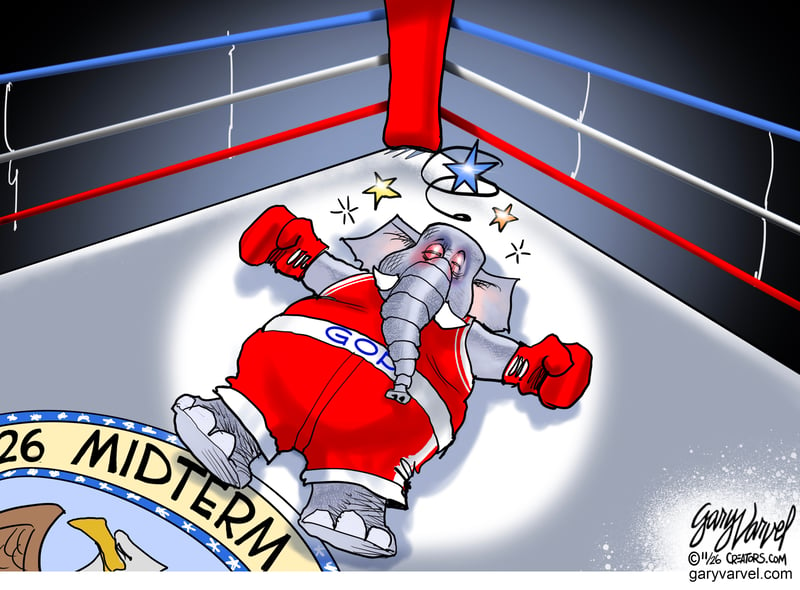
There are elections that deliver a warning, and elections that make the warning impossible to ignore. The 2026 midterms were the latter. Democrats won control of both chambers of Congress, and Republicans lost Senate seats in states they had every reason to believe were secure. South Carolina’s Darline Graham and Texas Attorney General Ken Paxton, both candidates backed by President Donald Trump, went down. In North Carolina, Thom Tillis had already chosen not to seek reelection after Trump attacked him for opposing the president’s spending bill. Voters did not merely register dissatisfaction with a few candidates. They rejected a governing style that treated loyalty as a virtue greater than judgment.
Trump may insist that he was not on the ballot. That is a technicality, not an answer. He put his name, his rallies, his endorsements and his political authority behind candidates across the country. He urged voters to treat the election as a judgment on his leadership. They did.
The defeat is especially sharp because the president has spent years presenting himself as the indispensable champion of ordinary Americans. But a champion cannot ask families to applaud while the cost of living climbs. Tariffs were sold as strength and leverage; too many households experienced them as another pressure on the price of goods. The war with Iran became a test of judgment with consequences at the gas pump, while the administration’s explanations shifted with the political weather. Fuel prices surged, household budgets tightened, and voters made the cost of living a central concern. The public was left to carry the bill and sort through the rhetoric.
Words matter too. A president’s language can steady a nation or deepen its divisions. Insults, threats against political opponents and contempt for dissent may energize a rally, but they do not build trust. The office demands more than the ability to command attention. It demands discipline, humility and an understanding that millions of Americans who disagree with the president are still fellow citizens. When disagreement is treated as betrayal, when public service is reduced to personal allegiance, and when truth is bent to preserve a leader’s pride, the damage reaches beyond one administration. It weakens the habits that hold a republic together.
The story of Tillis belongs in this reckoning. He announced he would leave the Senate after Trump threatened to campaign against him for opposing the president’s bill and its Medicaid reductions. His departure was not itself an election result, but it exposed the cost of a party culture in which a senator could conclude that independent judgment had become incompatible with political survival. North Carolina voters then elected Democrat Roy Cooper to the open seat.
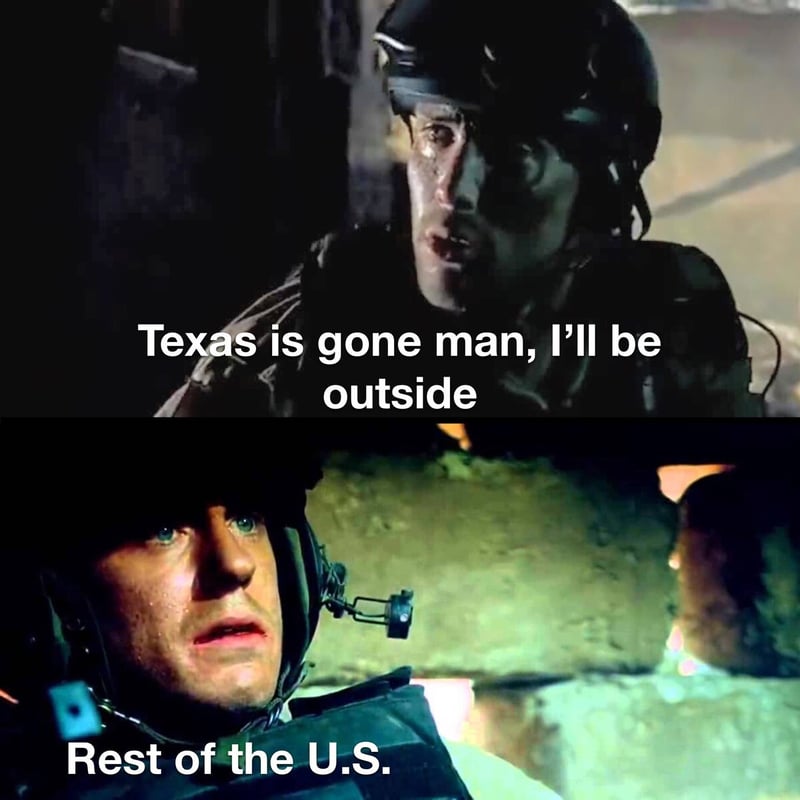
And consider the choice in Texas. Paxton entered the Senate race with Trump’s endorsement and a reputation shadowed by years of legal and ethical controversy. Democrat James Talarico defeated him, turning a state long treated as safely Republican into a warning that no party owns the public’s patience. In South Carolina, Graham’s loss carried a similar message: A presidential endorsement can bring attention, money and machinery, but it cannot compel voters to ignore their own judgment.
The Republican Party now faces a choice. It can blame weak candidates, hostile media, disloyal allies and an electorate that supposedly failed to understand the president. That path would guarantee nothing but another defeat. Or it can accept the harder truth: The party has allowed one man’s demands to displace its own principles. A party that once spoke of limited government, fiscal restraint, strong families, public safety, federalism and constitutional responsibility must ask whether it still believes those words when they conflict with the president’s wishes.
A reset requires more than a new slogan or a different campaign consultant. It requires leaders with the courage to say no when a policy is reckless, to defend democratic institutions when they are under pressure, and to tell voters plainly when their own party has failed. It means putting the country’s interests above the leader’s appetite for praise. It means remembering that tariffs are not a substitute for an economic plan, force is not a substitute for a strategy, and volume is not a substitute for moral authority.
This is a harsh reckoning, but it can also be an opening. Republicans still have millions of voters, serious ideas and public servants capable of principled leadership. They should not surrender their identity to the anger or ambitions of one man. The test now is whether they can recover the courage to govern by conviction, accept limits on power, and earn trust again one honest decision at a time. The voters have delivered their verdict on this course. The GOP must decide whether it will heed it.
COPYRIGHT 2026 CREATORS.COM