
The United States is currently containing Iran and has largely been successful. The ongoing blockade has neutralized the Islamic Republic’s chaos, and the Strait of Hormuz is open. However, Iran has one relative ace up its sleeve.
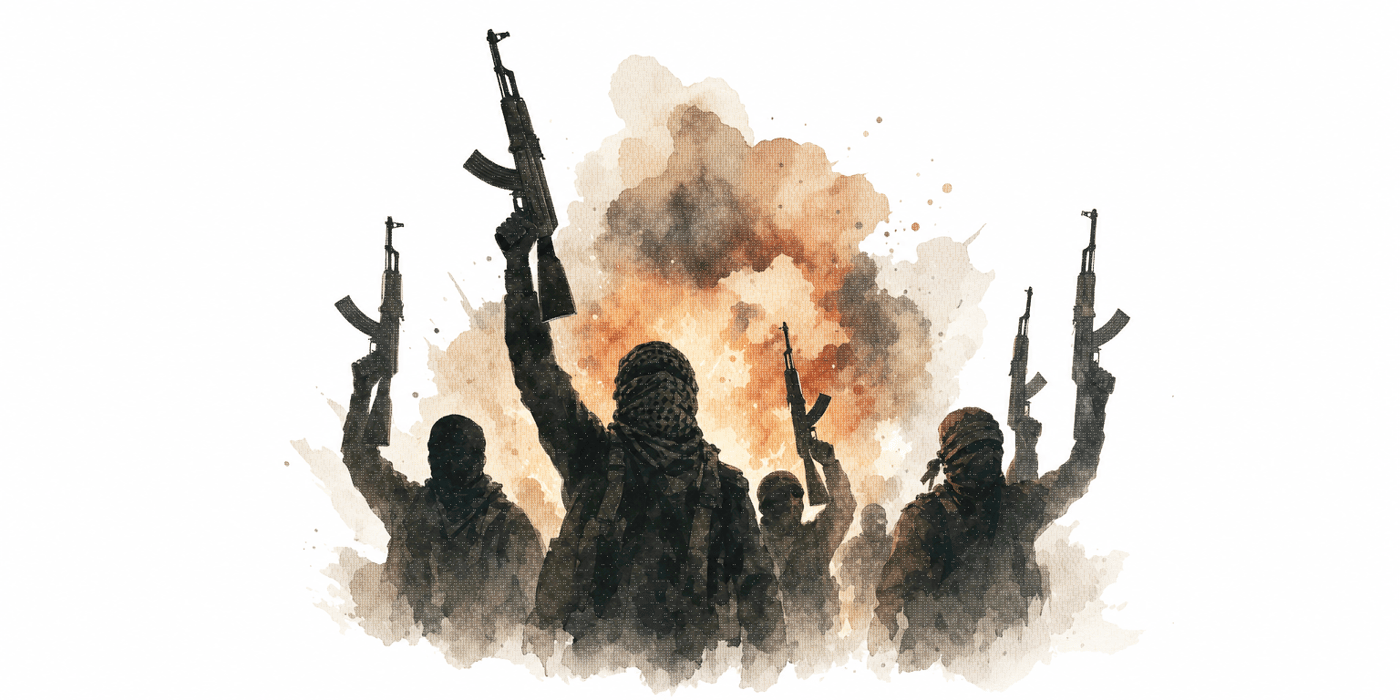
Its most dangerous asset at this point is its network of terrorist cells, but more specifically, the Houthis. Not long ago, I wrote about the Houthis fighting against Saudi Arabia. Saudi defenses held up, but at significant cost.
The Yemen-based terrorists have targeted major Saudi infrastructure, including various oil sites and the critical Bab el-Mandeb Strait. They most recently launched strikes on the Riyadh airport, killing 13 and wounding more than 300, all innocent civilians.
Saudi Arabia has been left to fight alone. Its much more powerful allies, Turkey and Pakistan, with whom it signed a mutual defense pact just a couple of months ago, have offered very little support. With allies like those...
Unfortunately, the nation has a hyperaggressive group of terrorist religious zealots who wish to destroy everything that makes Saudi Arabia a major player on the world stage.
The United States, for its part, finds itself at a crossroads. Do we help the Saudis? If so, how do we go about that?
Like Kuwait 30 years ago, Saudi Arabia is critically important to America for one reason: its oil. Historically, the U.S. has prioritized protecting the major oil-producing nations that don’t intrinsically hate America, since that number is a little lower than we’d like. We have a vested interest in seeing that the Saudis aren’t crippled by the Houthis. But what do we do?
Obviously, we are a tad occupied at the moment with the whole Iran situation. The military forces we could send on short notice would be fairly limited. Even so, sending in American forces would most likely be the most effective solution.
The drawbacks mostly involve public opinion. It’s no secret that the war in Iran, while necessary, hasn’t been popular. It has also lasted much longer than anyone wanted. Engaging in another front with another Middle Eastern enemy could be a big hit for the Trump administration in the lead-up to the rapidly approaching midterms. In the long term, we would likely take on responsibility for yet another nation’s defense in the Middle East, as if we didn’t have enough on our plate in that category.
Another option is to convince our allies to help the Saudis fight. Israel and the UAE both have formidable militaries for what is needed, but since both are still involved in other conflicts, it’s unclear whether they would answer the call. The Houthis threaten the regional economy, but Israel might think there are other nations ahead in line to do the job.
The final option is for the U.S. to simply do nothing, arguably the worst option. Joe Biden took this option in 2021 and refused to support the anti-Houthi offensive at the time. The Houthis could have joined the graveyard of terrorist groups the U.S. has put down over the years, but now they are a threat. To add insult to injury, Biden also removed the Houthis’ terror designation, which is comically stupid.
It seems that our hand is being forced. The United States must decisively act.