
High fuel prices are at the forefront of Americans’ minds these days. We don’t like filling our trucks and SUVs with gasoline that costs an average of $4.28 per gallon nationwide or diesel that’s $6.32 per gallon. There is blame to go around, from the war with Iran to Ukraine striking refineries to American government policy. One thing not getting much attention, though, is ethanol.
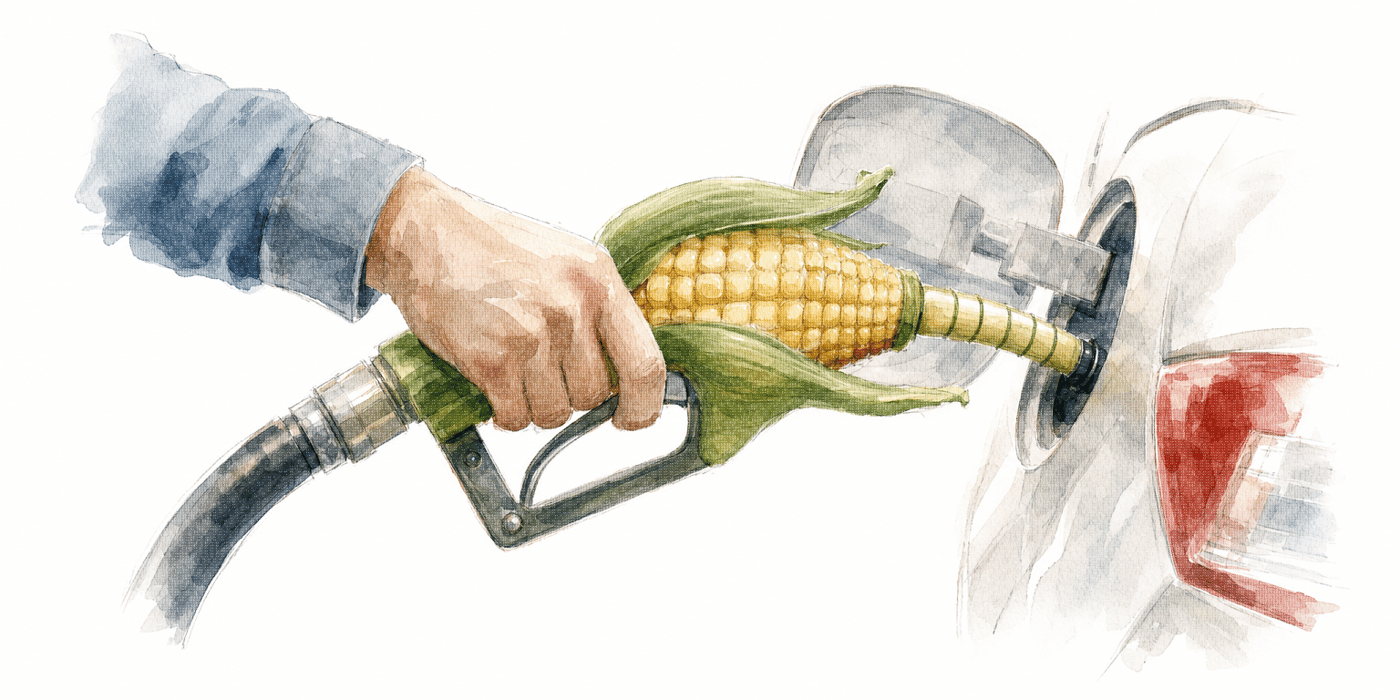
Way back in 2014, Mark Alexander wrote “The Ethanol Boondoggle” to explain why blending corn into our gasoline is a terrible idea. The 2005 federal Renewable Fuel Standard (RFS) represents the worst of cronyism — politicians and government mandates dictating markets rather than free enterprise.
Recent research shows why this rotten harvest yields higher gas prices.
In June, the Energy Policy Research Foundation found the frustrating truth: Ethanol made the average gallon of gas 45 cents more expensive in May 2026 compared to 15 cents in January 2024. “At a current estimate of 45 cents per gallon and 140 billion gallons of annual U.S. gasoline consumption, annual total economic cost is projected to be over $66 billion to U.S. consumers.” That’s incredibly inflationary.
At a time when President Donald Trump, his administration, and Republicans across the country are looking for ways to address the “affordability” question, it seems the solution is to reduce ethanol blend requirements.
Haha, silly!
“The US Environmental Protection Agency proposed on Tuesday to make larger refiners blend more biofuels into their products over the next two years, a move that will likely appeal to farm-state voters ahead of November’s congressional elections,” Reuters reported last week [emphasis added]. “The proposal would help offset concerns about lost demand for ethanol producers and farmers after the EPA announced in August it would waive renewable fuel volume obligations for 29 small refineries that argued the requirements would cause economic hardship.”
The RFS originated under George W. Bush, and farm-state Republicans guard it jealously. In a sense, who can blame them? Once you introduce something like that, reducing or — heaven forbid — ending it would have dire consequences for farmers, and thus any elected politician who causes economic pain.
To quote Ronald Reagan, “No government ever voluntarily reduces itself in size. Government programs, once launched, never disappear. Actually, a government bureau is the nearest thing to eternal life we’ll ever see on this earth.”
For the RFS, you, dear motorist, are paying the bill.
We’ve written many times about the horrible policy of ethanol blending and mandates. It raises gas prices. It messes up small engines. And there’s nothing green about it. It seems the only thing good about ethanol is that farmers get paid.
On that note, the Trump administration has made several moves recently to help farmers reeling from the president’s tariffs. First was the aforementioned blend increase. Another was his diesel deal with Russia. Still another was signing an executive order that lifted restrictions on “red-dyed diesel” for truckers. And just last night, Trump announced $8 billion in economic aid for farmers.
The U.S. Department of Agriculture’s Harvest Fuel Relief Program is meant to offset high diesel prices. Trump touted the plan at a Kansas rally for Republican Senate candidate Roger Marshall. He even shared the credit, saying, “Roger Marshall is the leader who fought for that to happen.”
So, what’s the silver lining in all of this?
It’s simple: Republicans support economic growth for people who produce things. By contrast, the Democratic Socialists want to rob the producers blind so they can redistribute income for political gain. Given that choice, I’ll grin and take the corn in my gas tank.