
It’s doubtful that anyone would have asked this question two and a half years ago, let alone two and a half centuries ago, when the Founding Fathers were drafting the Constitution.
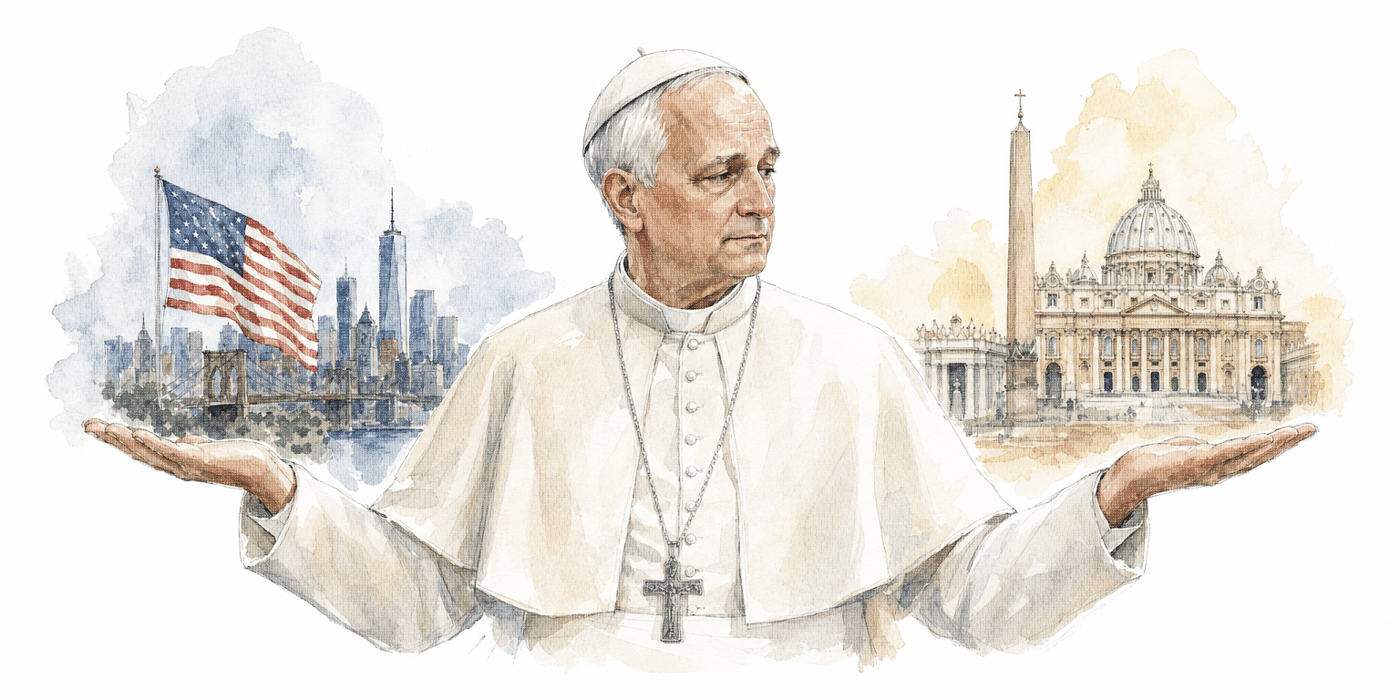
I, for one, found it quite amusing to see an American standing on the Vatican balcony last year as Pope Leo XIV became the new head of the Roman Catholic Church. I never thought I’d see that happen. But now an American is serving as the head of state of another nation.
While the pope is first and foremost a religious leader, he is also the de facto monarch of the Holy See, or Vatican City. This particular pope is also still a registered voter in the state of Illinois. The man born Robert Francis Prevost spent most of his life as an American, but he gained Vatican citizenship when he became pope.
This raises a valid question: Can a foreign head of state vote in American elections?
Currently, the law does not address this, given its unprecedented nature, so Leo can vote by mail as an Illinois resident, as he has done for decades. The Constitution does mention restricting foreign titles, but only for those entering American public office. His vote will legally count in this midterm just like any other. American citizens living abroad have every right to vote in American elections, a right that isn’t in dispute.
What is being disputed is whether a leader with considerable power in a foreign government should be able to vote. Would they try to sway the American electorate unfavorably?
Leo isn’t exactly throwing his weight around the American political arena. Yes, he has influence and power, but it’s not like a typical president or king, and he generally seems to avoid politics. His priority is the health of the Catholic Church. Although politics plays a necessary role in his position, he doesn’t seem driven to exert influence over American politics beyond fulfilling his own civic duty. On top of that, the Vatican grants citizenship only to those who work there and revokes it when they leave. If Pope Leo resigns, he just becomes an ordinary American again.
However, the precedent of Americans in foreign government could be dangerous if a citizen rose through the ranks of a more powerful government, such as China. Someone in that position could funnel foreign money and influence into American elections, helping install officials whose loyalties lie with foreign powers rather than the nation they serve. Should those people keep their citizenship? It seems not.
As globalization makes American citizenship valuable, more Americans may take influential positions abroad on behalf of foreign interests. Pope Leo XIV is a special case, since he is a full-blooded American who gained another passport through his job. But we must not allow Americans abroad to use foreign governments to exert significant influence over U.S. policy.
Pope Leo most likely won’t threaten American affairs with a single vote. Frankly, Illinois is a decided race anyway. He likely won’t attempt to rally American Catholics toward one party or the other either. A fair political system, however, must prevent outside interference whenever possible.