
The world has entered a new era of cyber warfare, and our technical systems may be falling behind.
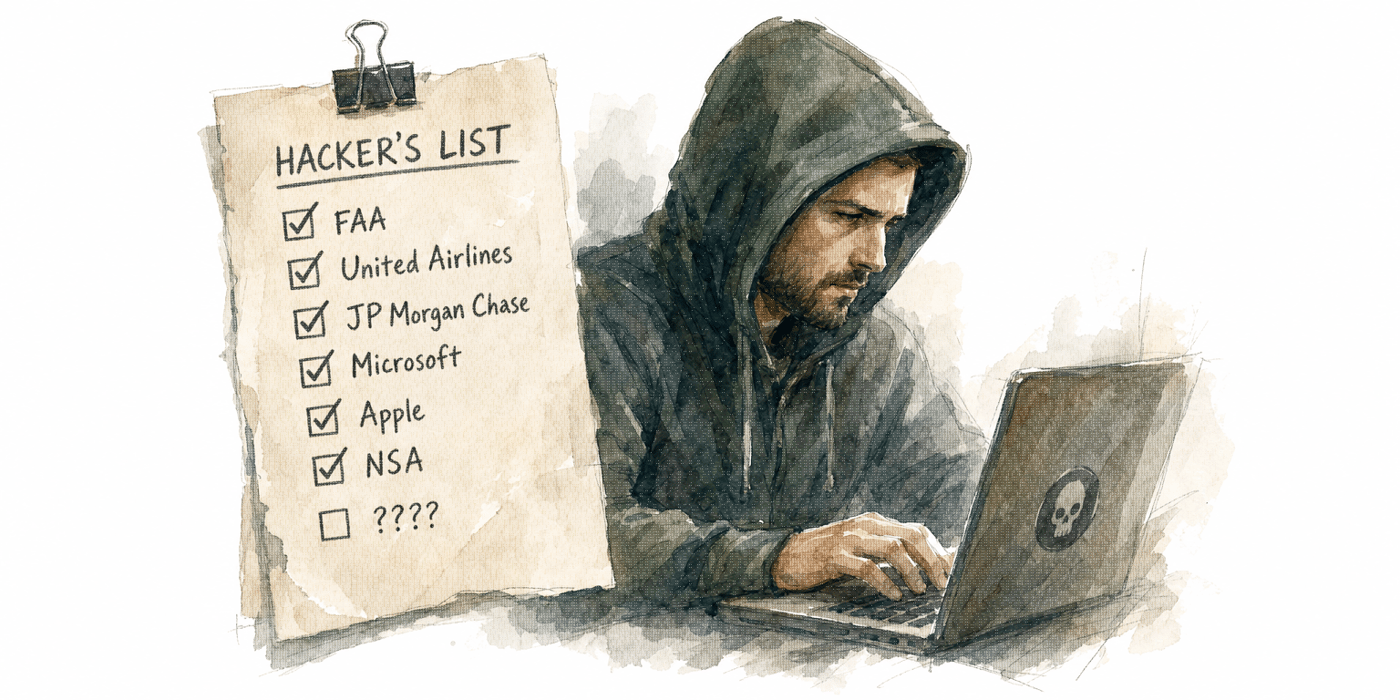
This past week has looked quite unusual from a technology perspective. We’ve seen a disproportionate number of outages across all sorts of systems. By far, the largest issue has been the nationwide grounding of planes over this past weekend, but outages have extended elsewhere as well: companies such as legacy carrier United Airlines, major banks Charles Schwab and JPMorgan Chase, and tech giants Microsoft and Apple have all been affected by similar failures.
The FAA ground stop impeded air travel nationwide for more than four hours, meaning airports canceled or delayed thousands of flights. The big tech outages seem less consequential, but they still temporarily disrupted Outlook email and apps like the App Store and Apple Music.
Worst of all, the National Security Agency also experienced outages. The agency’s network, allowing its agents to communicate classified and time-sensitive information internally, went down. That could have been much more dangerous, given the elevated level of threats the network faces.
We’ve never seen so many system outages at once. Because of this, most people naturally presume there has been nefarious plotting behind the scenes.
However, both the individual companies and the U.S. government have treated the outages as small potatoes and assured the public not to worry. Secretary of State Marco Rubio dismissed the idea of foul play.
“The Microsoft incident has nothing to do with what we saw with the FAA,” Rubio said. “The FAA has nothing to do with what we saw with the banks a few days ago. These issues that we’ve seen from a technical standpoint are completely unrelated to one another. We have zero evidence or any reason to believe that any of these isolated or individual instances have anything to do with nefarious actors, with cyber hackers, with criminals, with another nation-state, with a malign actor of any kind.”
As much as I would like to accept that and move on, it’s hard not to question so many outages striking across the board in such quick succession. It makes little sense to claim the failures that all happened within the span of a week have no common cause.
Many conservatives are imploring the Trump administration to reveal what is really going on. Even former Press Secretary Karoline Leavitt said that the White House should tell the truth. “Transparency is key,” Leavitt said. “It’s going to help the country grapple with what’s going on.”
So what is going on? Have malicious cybercriminals launched an attack on America? Or has AI simply progressed too quickly for our digital infrastructure? Perhaps the White House doesn’t know. Regardless, even if they prove unrelated, these outages expose major vulnerabilities and reveal that operational cybersecurity across the board isn’t sufficient right now.
The FBI recently indicated a potential culprit. The bureau released a warning that cybercriminals and hackers were using an AI tool known as ARTEX to hack systems. ARTEX is a tool originally designed to find vulnerabilities within computer networks. It has since been reverse-engineered to hack into secure systems. Integrated with standard AI models, ARTEX can enable lesser hackers to become more potent against the defenses of online government, finance, and commerce systems.
ARTEX could be the cause of these outages. It’s at least a factor in this confusing mess. However, one thing is clear: our government and major service providers must strengthen their cyber defenses. As hackers grow more sophisticated, their targets must keep pace or risk grave consequences.