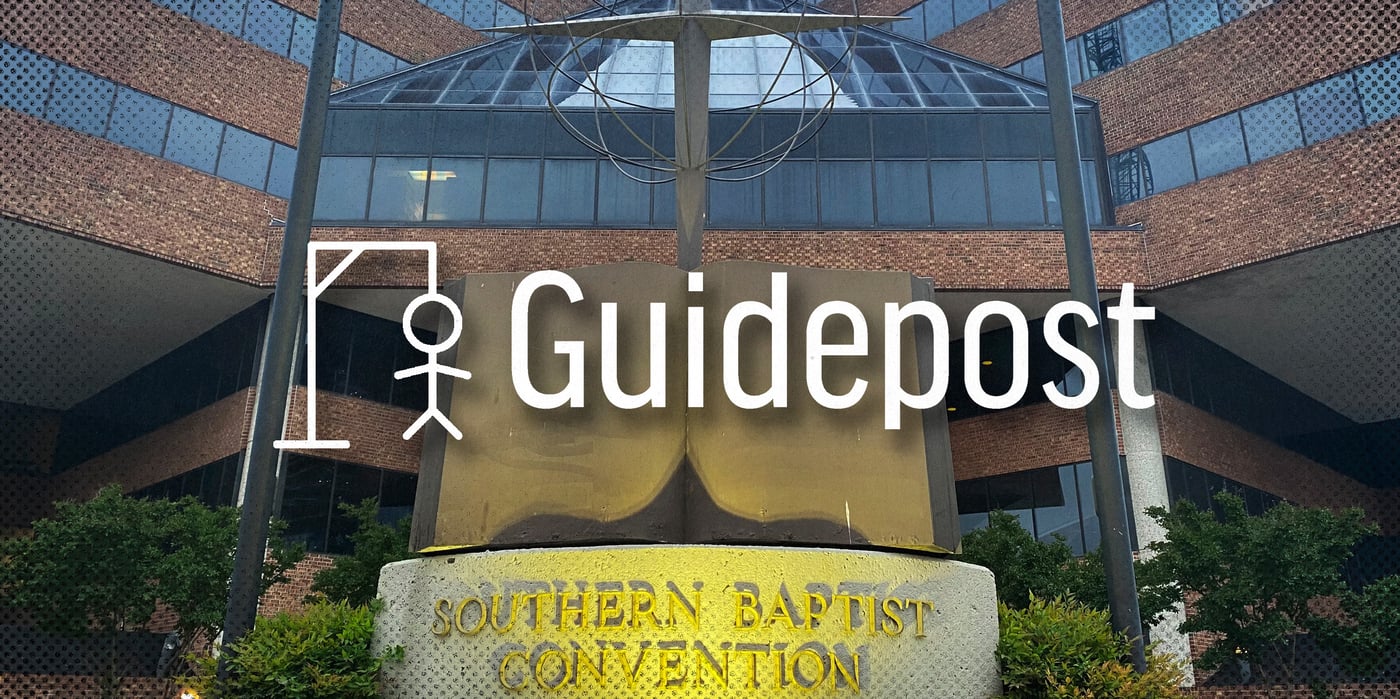

Three years ago, the Southern Baptist Convention, America’s largest Protestant denomination, released a report on a sexual abuse investigation it commissioned. The firm hired for the inquiry was Guidepost Solutions, a supposedly independent firm.
The content of Guidepost’s 288-page report covered a nearly 20-year period and painted a troubling picture of SBC leadership that often sought to cover up the alleged sexual sins of pastors and other leaders within the SBC rather than publicly expose them. The report listed some 585 ministers accused of sexual abuse, a list that many of SBC’s Executive Committee members were unaware of.
The report sparked a years-long Justice Department investigation into the SBC, which was concluded this past March. Interestingly, however, the DOJ declined to file any new charges.
Not long after the SBC released the report, a number of folks, including investigative journalist Megan Basham of The Daily Wire, raised serious questions about the independence and reliability of Guidepost’s investigation.
Furthermore, one of the accused individuals, Dr. Michael David Sills, filed a defamation lawsuit, and his attorney hired an independent ethics expert, Amy McDougal of CLEAResources, to conduct a review of the report.
After her review, McDougal concluded that the SBC’s handling of sexual abuse claims and the Guidepost investigation were not legal or objective. As McDougal writes:
Due process requires three fundamental things: notice, an opportunity to respond, and a neutral fact-finder. Proceedings missing any of these three things are structurally flawed and are inherently unreliable in our system of justice. Under the principles of due process and professional due care, Dr. Sills was entitled during the investigation to notice of the allegations against him and the substance of the evidence against him, an opportunity to respond and provide his own exculpatory evidence, and an impartial and objective fact-finder free of conflicts of interest, bias, and any interest in the outcome. In my professional opinion, the Guidepost investigation provided him none of these three due process pillars or the standards expected of a professional, independent investigation. The investigation was not legal, independent, fair, thorough, or objective. Therefore, the investigation was fatally flawed, unreliable, and inconsistent with due process and professional standards.
It appears Basham’s skepticism of the Guidpost report was not without merit. She smelled a rat: The apparent motivation for commissioning the investigation, which cost the SBC $2 million and led the denomination to sell its headquarters to pay legal fees, was to push the #MeToo narrative.
Indeed, Dr. Sills, who had engaged in a 12-year affair with an alleged victim, was framed as guilty of sexual abuse due to the power dynamic, as he was a professor and she worked for him. However, evidence such as email exchanges between the two paints a different story. Far from a victim of sexual abuse, the alleged victim willingly engaged in and encouraged the affair.
And as McDougal found, Sills’s nonresponse to the investigation was taken as evidence of his guilt, a blatant violation of legal standards.
While this report does not address others who were listed by the Guidepost report as guilty of sexual abuse, it does call into serious question the reliability, independence, and credibility of the overall investigation. Indeed, it appears that Guidepost sought “evidence” to support a predetermined conclusion that the SBC has a long history of covering up rather than dealing with ministers accused of sexual abuse.
Even more troubling is that it appears certain leaders within the SBC were willing to commission a biased organization as “independent” to pursue a certain agenda. In other words, this smacks of deceitfulness.