
As the saying goes, “With friends like these, who needs enemies?” This has effectively become the de facto sentiment of the Trump administration when it comes to our traditional and historically closest allies in the Anglosphere — primarily the United Kingdom.
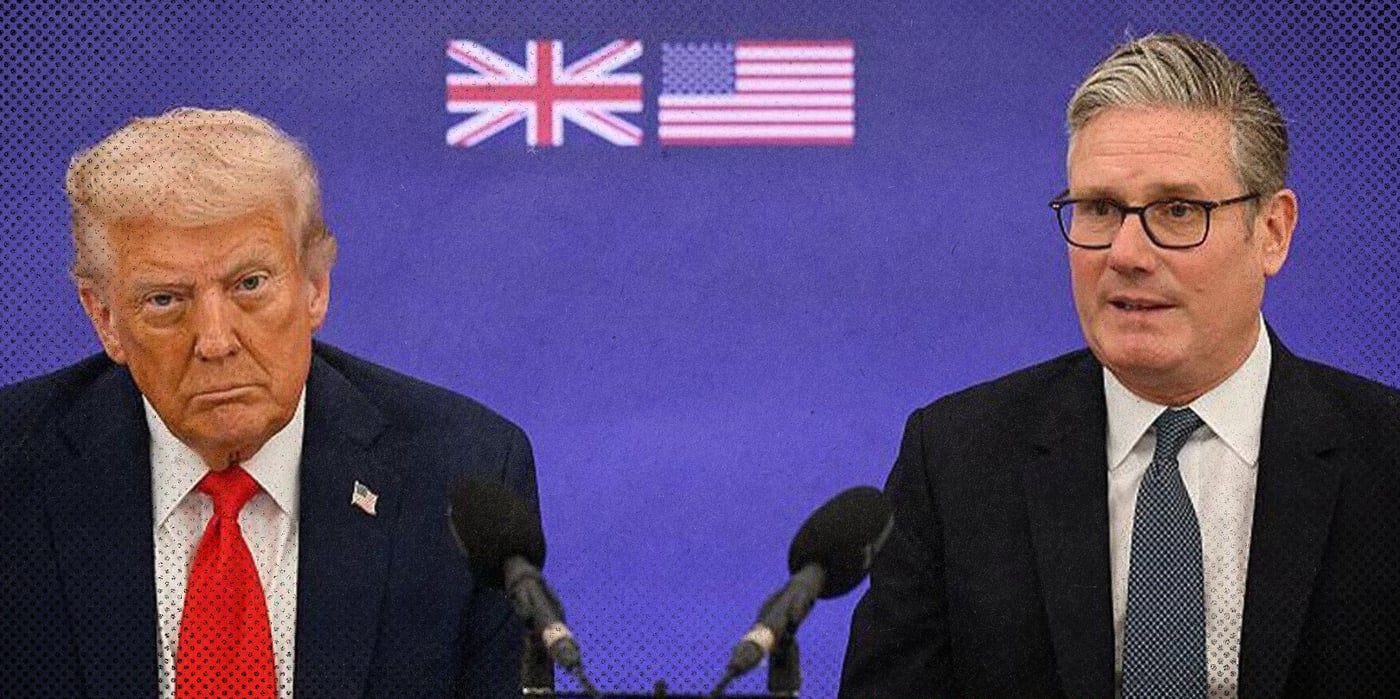
Evidence that this attitude has increasingly taken hold is that the U.S. has shared very little intel about our intentions and operations with our neighbors across the pond. Indeed, it was almost humorous to see the deer-in-the-headlights expression on UK Prime Minister Keir Starmer’s face when he was questioned about the U.S. surprise operation to arrest and extract Venezuelan dictator Nicolás Maduro directly out of his compound in the heart of Caracas.
Starmer admitted that he only learned of the operation after the fact — like your average Tom, Dick, or Mohammad who reads the news. He clearly had no idea what he should say, but he knew he’d just been embarrassed by his nation’s biggest ally.
The truth is, it’s entirely the fault of Starmer and his government that they were left out of the Trump administration’s strategic foreign policy planning loop.
Starmer stated that the UK “regarded Maduro as an illegitimate president, and we shed no tears about the end of his regime.” Yet he also effectively demanded to be brought into the discussion, saying, “The UK government will discuss the evolving situation with U.S. counterparts in the days ahead as we seek a safe and peaceful transition to a legitimate government that reflects the will of the Venezuelan people.”
What ended up happening was the UK agreeing that Maduro was a bad guy who needed to be removed from power and held to account, and that the U.S. did the right thing.
However, the buzzword that Starmer and other allies, dismayed by President Donald Trump’s bold actions, began to bandy about as if it were some kind of unassailable fact was concern about adherence to “international law.”
That largely meaningless trope is merely being used as a shield to avoid responsibility and commitment. It’s a political shell game whereby a politician can appear virtuous and sincere while being neither. Indeed, what it really boils down to is political cowardice.
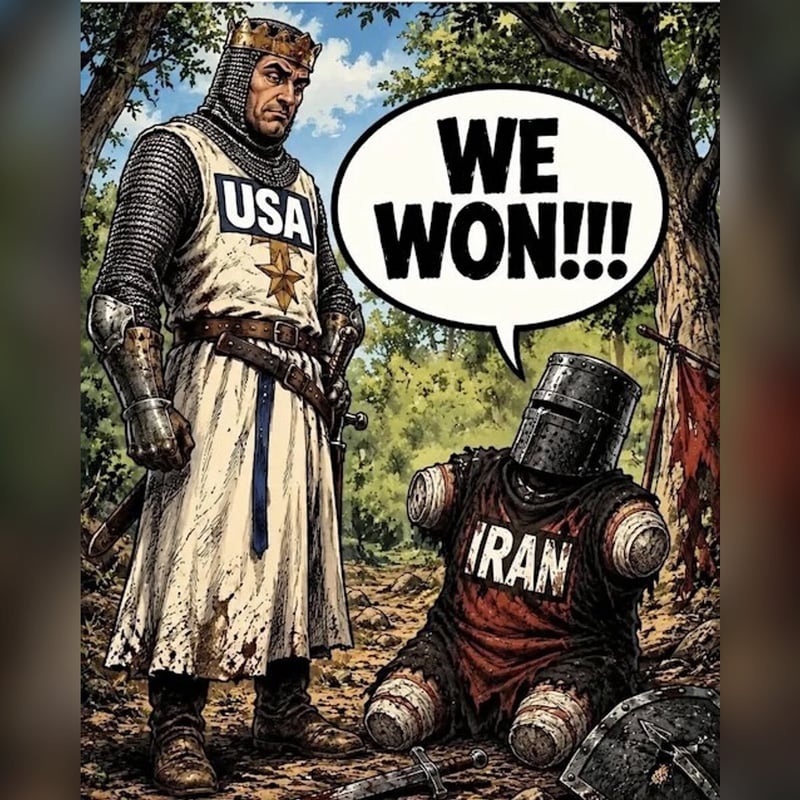
Since the U.S. and Israel launched Operation Epic Fury against Iran, Starmer has once again played the weak, waffling politician. He’s refused to send the British military to join the effort, saying that the strikes against the Islamic regime were not in the UK’s “national interest.” Then, following Iranian attacks against British bases in the region, he turned around and offered the U.S. limited use of its bases for air strikes, though he still refused to allow British forces to join the assault.
Starmer’s problem is not just that he is a weak leader. He’s a symptom of the UK’s broader issues, which have led to the country’s stunning decline and increasingly feeble state. Britain has become politically handicapped because it is ideologically lost.
Secularism has hollowed out Britain’s soul, leading to the cultural embrace of radical leftism, which eschews the West’s Judeo-Christian foundational moral values as repressive, bigoted, and racist. This has left the country with no means for opposing the mass-migration-induced Islamism spreading through its national psyche like a cancer.
Starmer’s own Labour Party has become so divided over the problem that it has left him attempting to speak out of both sides of his mouth on any issues tied to Islam. Therefore, what should have been an easy thumbs-up agreement to support Britain’s closest ally in taking out the world’s leading sponsor of terrorism across the globe — terrorism that has directly impacted Britain — was instead a stumble by Starmer. And Trump and company are rightly moving on without him.