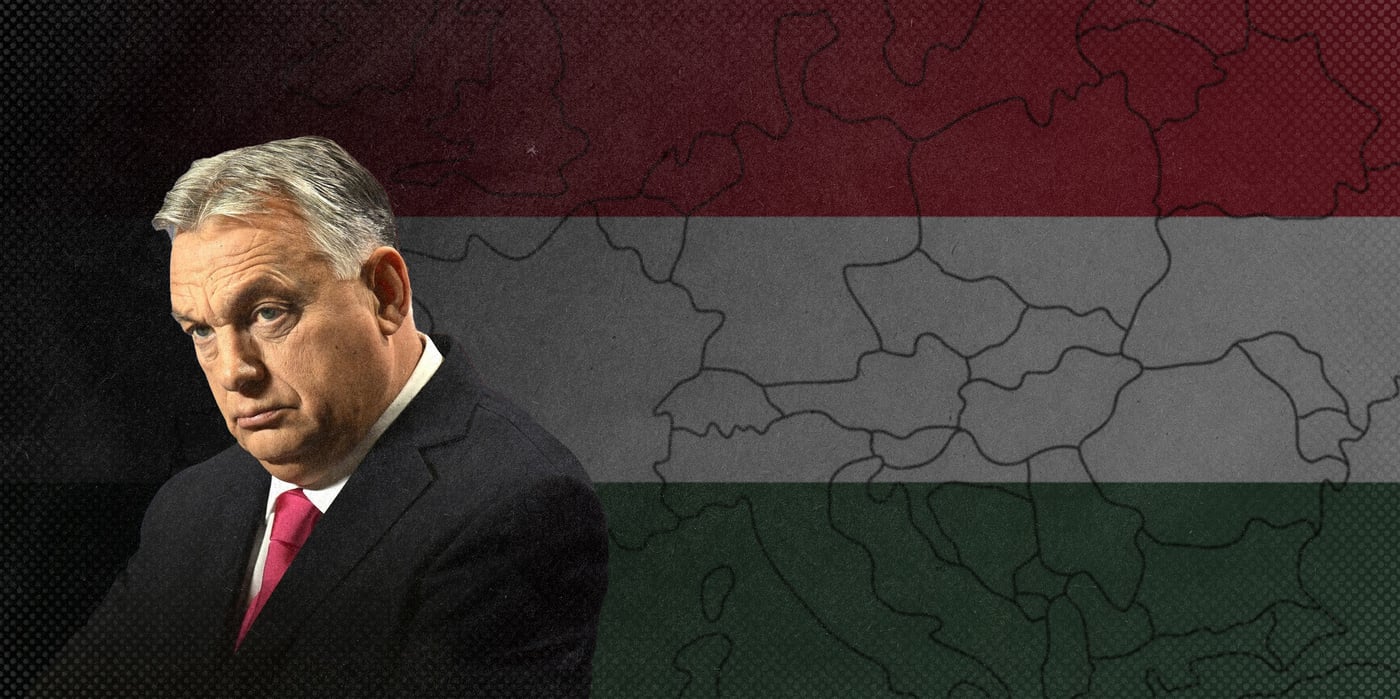

Hungary has crossed one of the most consequential political thresholds in its post-communist history. After 16 years of Viktor Orbán’s dominance, voters have handed power to Péter Magyar, a former insider who now promises a different Hungary — more aligned with the European Union, less confrontational, and less defined by Orbán’s brand of nationalist conservatism.
The shift marks a clear turning point. Orbán was not simply Hungary’s longest-serving prime minister; he constructed a governing system rooted in centralized authority, cultural conservatism, and sustained conflict with Brussels. His defeat signals a break in a political era that shaped Hungary’s institutions, media environment, and international standing for nearly two decades.
That outcome, however, should not be interpreted as a sweeping mandate for Magyar. He enters office with momentum, but also with unresolved questions tied directly to his rapid rise. Magyar’s popularity accelerated after he released a secretly recorded audio conversation in 2024 involving his then-wife, Judit Varga, who had served as Hungary’s justice minister, along with other figures connected to the legal and political system.
In the recording, Varga appeared to describe efforts by government insiders to influence or manage sensitive prosecutorial matters, intensifying concerns about transparency and political interference in the justice system. By making the recording public, Magyar positioned himself as a whistleblower, triggering widespread media coverage and rapidly elevating his profile from political insider to a leading challenger.
The tactic proved politically effective, but it also raised questions about his methods and what they signal about his approach to governance.
Varga, now Magyar’s ex-wife, has accused him of domestic violence, emotional abuse, blackmail, and manipulation. Additional allegations have circulated, including claims related to a secretly recorded intimate video that Magyar says was part of a setup by a former girlfriend.
Magyar has denied these accusations. While none of these claims alone defines his political viability, they complicate the narrative of a clean and decisive break from the political culture he criticizes.
Magyar’s victory, therefore, reflects a correction to Orbán rather than a full ideological realignment. The result appears driven less by a rejection of conservatism and more by accumulated frustration with governance, fatigue from extended one-party dominance, and a demand for accountability after 16 uninterrupted years of rule.
Orbán’s defeat still carries structural significance. It demonstrates that even deeply entrenched leadership can be displaced when economic pressure and public dissatisfaction converge. Hungary experienced periods of relative economic stability during much of Orbán’s tenure, but recent conditions — particularly elevated inflation relative to other European economies — have intensified voter frustration. That economic strain, combined with voter apathy, created the opening Magyar successfully used.
Hungary under Orbán was one of the clearest examples of stable conservative leadership in Europe. From an American perspective, his policies often aligned with U.S. conservative priorities, particularly on immigration and national sovereignty.
For Hungarian voters, however, the situation was less straightforward. When economic or social problems arise, responsibility is typically placed on the leader in power. In this case, Orbán became the focal point for broader frustrations, even when many of those issues were structural or part of wider European trends.
His defeat should not be interpreted as the end of conservatism in Europe. Hungary has been one of the continent’s most consistently conservative countries for over a decade, and a single election does not erase that foundation. It reflects voter response to current conditions more than a permanent ideological shift.