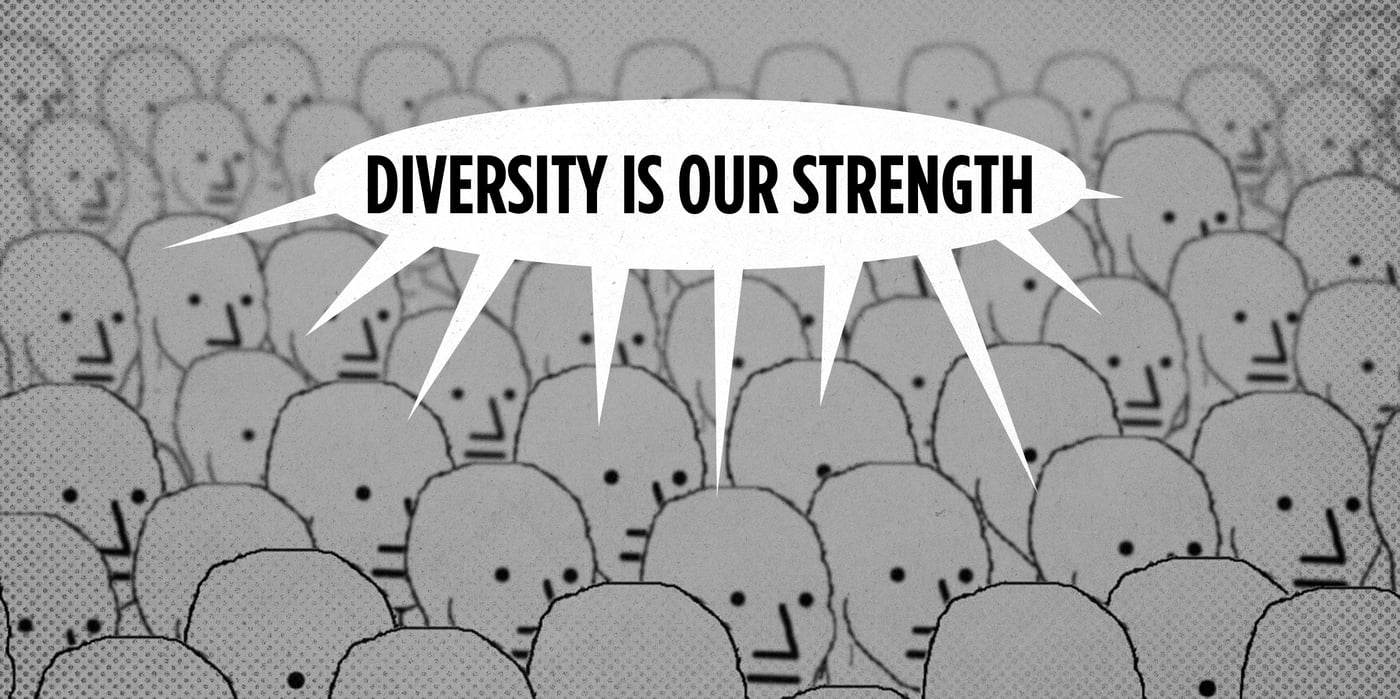

Every major failure in Western public policy follows a familiar pattern: governments retreat from enforcement, redefine authority as negotiable, and replace limits with moral signaling.
Immigration policy reflects that trend more clearly than almost any other. For decades, Western democracies have treated border control as an ethical dispute rather than a sovereign responsibility. Once immigration is governed by sentiment instead of capacity, the state loses its ability to protect citizens and maintain order.
The Bondi Beach massacre in Sydney made that failure unmistakable. The assailants murdered 15 people at a public Hanukkah gathering in an attack authorities hesitated to classify as terrorism despite explicit ideological targeting.
Jews were the intended victims, but the institutional breakdown extended beyond one community and across the state’s entire security posture. Enforcement had been deprioritized while political restraint was elevated above basic protective duties. The result was deadly.
The protection of the population is the first obligation of government. Hobbes described security as the condition that ends the state of nature. Locke grounded legitimate authority in the preservation of life. Hamilton, in Federalist No. 23, identified “the common defense” as the core purpose of union. Without security, no society can function.
Immigration policy cannot be separated from that obligation. Large-scale migration from unstable regions presents risks that cannot be addressed through rhetoric. Many source countries lack reliable documentation systems, maintain corrupt institutions, or cannot verify identity records.
Some are governed by factions that tolerate or promote ideological extremism. Effective screening depends on accurate records, cooperative foreign governments, and enforceable standards. When those prerequisites do not exist, vetting becomes symbolic rather than substantive.
Following the October 7, 2023, massacre in Israel, Anthony Albanese’s Australian government distanced itself from a democratic ally while extending recognition to a Palestinian “state” lacking institutions independent of Hamas. That decision signaled a willingness to legitimize radical actors under the language of balance.
At the same time, Australia continued accepting migrants from unstable regions without strengthening vetting systems or enforcement capacity. Immigration expanded while security weakened.
Ideology crosses borders without state sponsorship, and radical networks do not require formal infrastructure to operate. When permissive entry systems coexist with an unwillingness to confront extremist ideologies, the conditions for radicalization develop. Attacks like the one at Bondi Beach become predictable outcomes.
Supporters of expansive immigration frequently cite aggregate crime statistics showing lower offense rates among immigrants. Even when narrowly accurate, the argument misses the point: national security is not an average.
Immigration risk varies by origin country, documentation reliability, and assimilation capacity. Border screening already reflects this logic through heightened scrutiny for high-risk regions. Immigration policy should follow the same principle consistently rather than selectively.
The economic burdens follow a similar pattern. Mass immigration from unstable regions strains welfare programs, schools, housing markets, and law enforcement. In the United States, large-scale fraud cases tied to Somali migrant networks demonstrate how weak identity verification and political hesitation toward enforcement can enable systemic abuse.
None of this assigns inherent malice to immigrants. One of the individuals who intervened during the Bondi Beach attack was an immigrant, and his actions were heroic. The failure lies with governments that possess the authority to regulate entry and prevent extremist ideology from establishing a foothold, but repeatedly decline to exercise it.
Western democracies cannot maintain security or social cohesion while absorbing large numbers of migrants from failed states without functioning institutions. A state that cannot enforce limits cannot protect its citizens. The refusal to accept that reality keeps producing preventable tragedies.