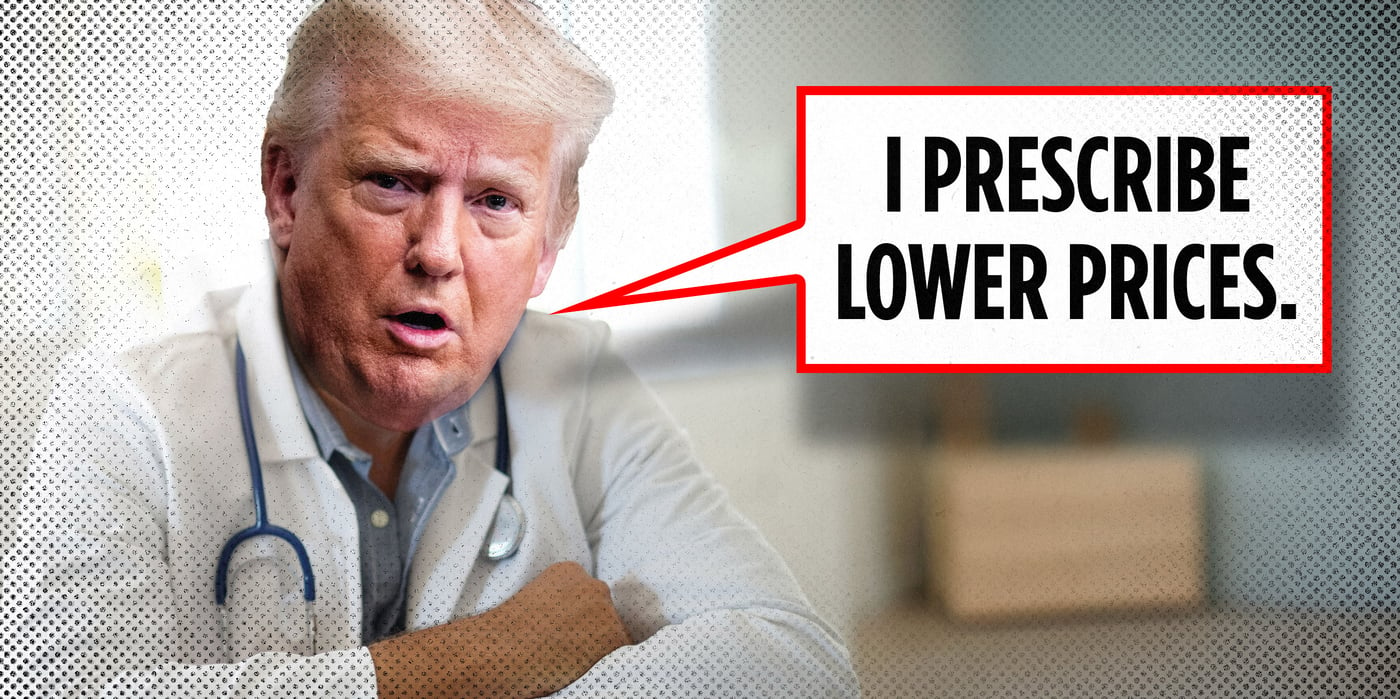

One of the most consequential actions President Donald Trump has taken during his current term has been in healthcare, an area where nearly every modern president has promised reform and almost all have failed to deliver meaningful results. The American healthcare system is complex, expensive, and politically untouchable, which is why genuine progress remains rare. What makes the Trump administration’s recent prescription drug reforms so striking is not only their scope but the near-total lack of media attention they have received.
Through a new set of “most-favored-nation” pricing agreements with pharmaceutical companies Eli Lilly and Novo Nordisk, the Trump administration has launched the TrumpRx program, dramatically reducing the cost of some of the most widely prescribed and in-demand medications in the country. These agreements represent one of the most aggressive efforts by any president to directly confront prescription drug pricing, and their impact is immediate for millions of American families.
Under TrumpRx, the monthly price of Ozempic will fall from roughly $1,000 to $350. Wegovy, which previously cost about $1,350 per month, will also drop to $350. Newer or soon-to-be-approved medications such as Zepbound and Orforglipron — currently priced above $1,000 per month — will be available for an average of $346.
If the Food and Drug Administration later approves an oral form of Wegovy, the introductory monthly price will be just $150. For Medicare patients, out-of-pocket costs will be capped at $50 per month, while Medicare will pay $245 per prescription — less than half the price proposed by the Biden administration. State Medicaid programs will receive access to the same reduced pricing.
These are not marginal adjustments. The agreements reflect cost reductions exceeding 50% and, in some cases, substantially more. For the first time, Medicare and Medicaid will be able to cover obesity-related medications at prices that remain fiscally sustainable for taxpayers.
The public health implications are substantial. According to the Centers for Disease Control and Prevention, 40% of American adults are obese. Nearly 20% of children — approximately 14.7 million — meet the clinical definition of obesity. Childhood obesity alone imposed more than $1.3 billion in annual medical costs as of 2019, averaging $116 more per child each year compared to children at a healthy weight. These figures reflect more than budgetary pressure. They point to long-term consequences tied to fatigue, concentration challenges, mental health struggles, and elevated disease risk.
The Trump administration’s agreements extend beyond weight-loss drugs. Eli Lilly will now offer Emgality, a migraine medication, for $299 per pen — $443 below its list price — and Trulicity for $389 per month, representing a reduction of nearly $600. Novo Nordisk will offer insulin products such as NovoLog and Tresiba for just $35 per month. For many families, these reductions determine whether treatment remains consistent or becomes sporadic.
Equally significant is where these medications will be produced. Eli Lilly and Novo Nordisk have committed $27 billion and $10 billion, respectively, to expand pharmaceutical manufacturing within the United States. The pandemic exposed the vulnerabilities of relying on foreign supply chains for essential medications. Trump’s approach reduces consumer costs while strengthening domestic production and preserving American jobs — a combination rarely achieved in modern Washington.
After one year of Trump’s second term, one conclusion is unavoidable: the media’s treatment of the administration remains deeply imbalanced. These prescription drug reforms are life-changing for millions of Americans, yet they received virtually no sustained national coverage. Healthcare remains one of the most pressing issues facing American families, and these reforms directly address affordability, access, and long-term sustainability.
Building on these efforts, Trump recently unveiled a broader healthcare plan designed to lower costs and deliver money directly to the American people. The proposal prioritizes patients over insurance companies, pharmaceutical middlemen, and special interest groups — delivering on a promise to place families, not industries, at the center of healthcare policy.