
The Trump administration is leaving no stone unturned when it comes to its agenda to Make America Great Again.
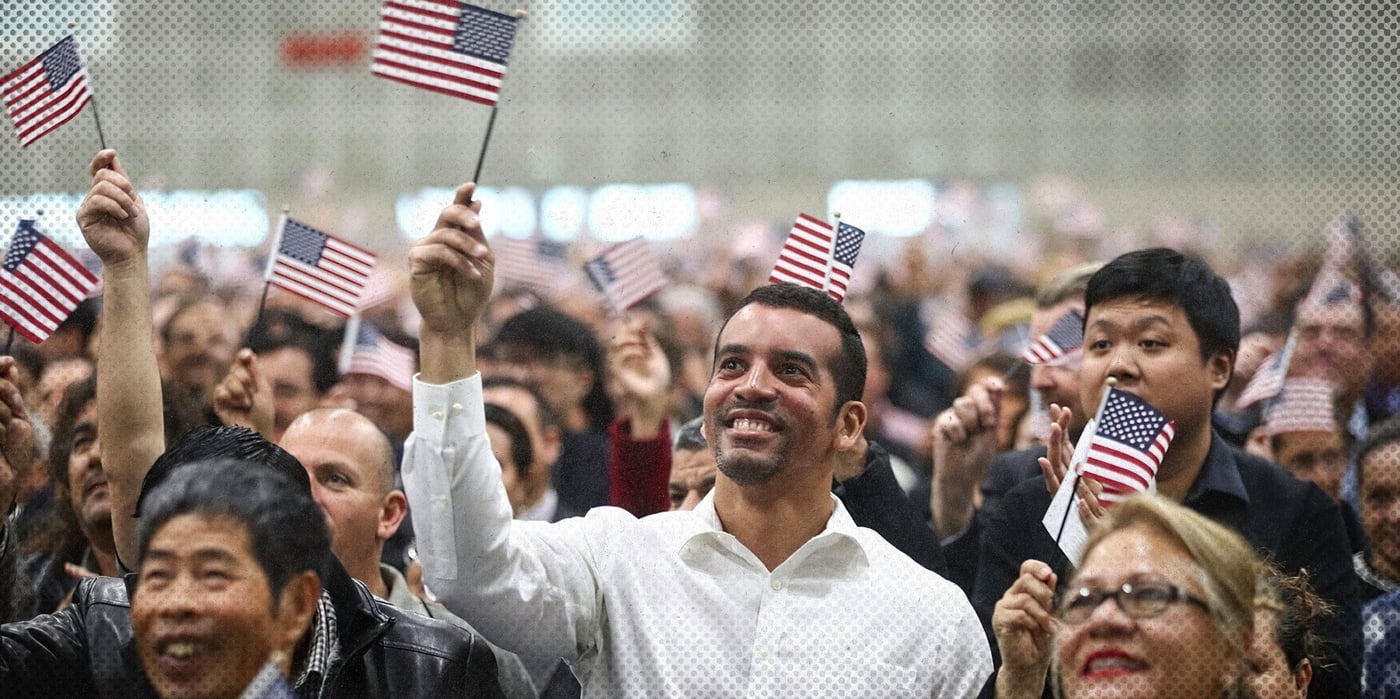
One of President Donald Trump’s moves has been to revisit student visas, tightening up approval requirements beyond mere academic scores. The additional stipulations include doing a better job vetting student visa recipients and ensuring they do not wish to undermine our values or align themselves with groups that want to tear down America from the inside out.
As such, more than 6,000 student visas have been revoked in recent months, which suggests that perhaps our standards have been far too relaxed in the past. Supporters of the decision say it’s long overdue, while critics argue it undermines academic freedom and America’s reputation as a welcoming destination for the world’s most dedicated students.
At the heart of the debate is a simple but important question: Should the United States continue to allow foreign students who openly support extremist ideologies, or should student visas be limited to those who respect and value the country granting them access?
According to Fox News, the State Department confirmed that “between 200 people to 300 people” lost their visas “due to support for terrorism” — for example, fundraising for terrorist groups like Hamas — and that thousands more were revoked due to criminal charges, including assault and drunk driving.
For the president’s supporters, this is precisely the type of action that restores confidence in the integrity of the visa system.
Many contend that higher education has been treated as a loophole in the immigration system for far too long. When it comes to H-1B visas and universities’ unique exemption, these folks agree that policymakers should screen out extremist candidates. Yet the Manhattan Institute’s Santiago Vidal Calvo cautions against taking it too far: “The right answer is not to cut the number of H-1B visas, but to ensure that they are awarded to talented foreigners who will love and respect the United States.”
That perspective reflects a broader, commonsense principle: America should continue to welcome talent from abroad, but not at the expense of its security or national values.
Adding to this, U.S. Citizenship and Immigration Services has placed greater emphasis on assessing the “moral character” of visa applicants. This, too, is a logical position. Student visas should not be granted simply because someone qualifies academically; they should also reflect whether the individual will respect the laws and principles of the country in which they will be living.
Above all, national security comes first, and it should be the leading factor in every system that involves welcoming foreign students, workers, and future citizens. A rational standard for the United States — or any country — is to not knowingly provide entry to individuals who sympathize with groups that seek to do it harm.
While higher education institutions benefit from international tuition and prestige, they should not be exempt from national security concerns.
But of course, there are those who are against these new standards.
Opposition is rooted in several concerns. So-called civil-liberties groups and higher-education leaders argue that the crackdown risks penalizing peaceful protest and restricting legitimate political expression. The Washington Post editorial board warned that cases like that of a Fulbright scholar detained after writing a controversial op-ed weakens “America’s appeal to many of the best and brightest young people abroad who might want to visit or study in the United States.”
Others predict a negative effect on international enrollment. According to reporting in Teen Vogue, many prospective students are already considering alternatives in countries like Canada, the UK, and Australia, fearing that the United States has become less welcoming. (Side note: Have those students noticed the severe speech suppression in those countries?)
For universities, this could also mean significant financial losses, given that foreign students often pay higher tuition rates.
There are also legal concerns. The Associated Press has reported that some revocations stemmed from relatively minor offenses, such as traffic violations, and this could raise questions about fairness and proportionality.
The concern is that blanket revocations risk sweeping up individuals who pose no threat.
A more measured stance acknowledges that while the visa system needs reform, it should be managed carefully. Strong vetting for criminal and terror-related ties is necessary, but due process and respect for free speech must also be key considerations.
Yes to security. Students found to be connected to terrorism or serious criminal behavior should lose their visas.
Yes to values. America is right to prefer students who respect its laws and principles.
Yes to global competition. The U.S. must remain attractive to bright, law-abiding students from abroad.
The challenge is balancing these priorities without tipping too far toward either extreme — an open-door policy that invites abuse, or a restrictive one that drives away talent and those who could genuinely contribute to the growth and development of our country.
The Trump administration’s tightening of student visa rules has sparked intense debate, as seems to be the case with all of his policies. Ultimately, the conversation highlights a core question for U.S. immigration policy that needs to be addressed: How can the nation remain open to the world’s best minds while protecting itself from those who would undermine its values?
Those who are exhausted from low standards and unvetted immigration reason that the solution lies in firm but fair vetting, prioritizing those who respect what the U.S. stands for while unapologetically refusing entry to those who do not.