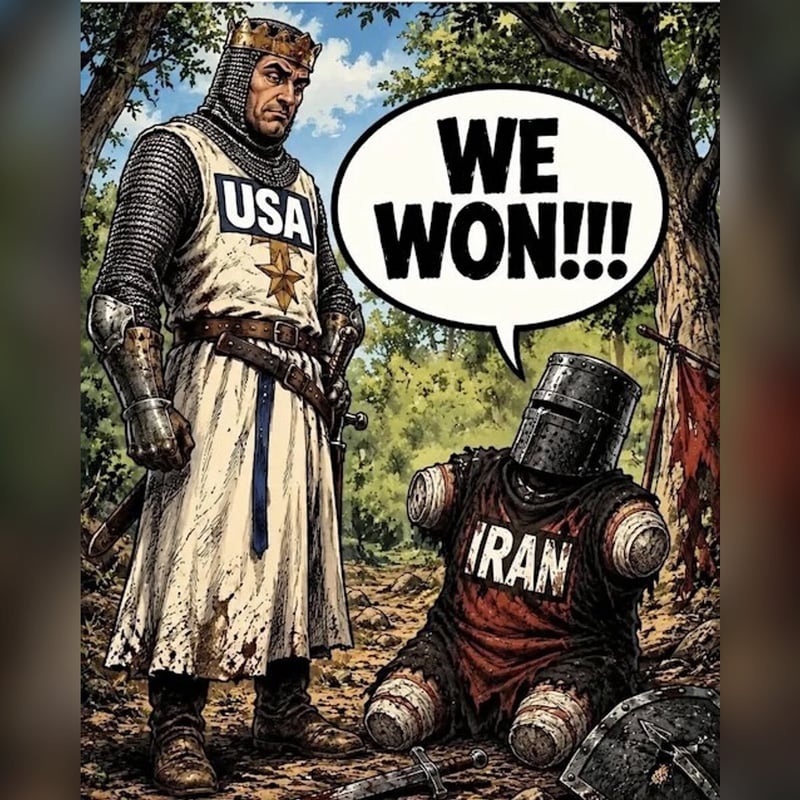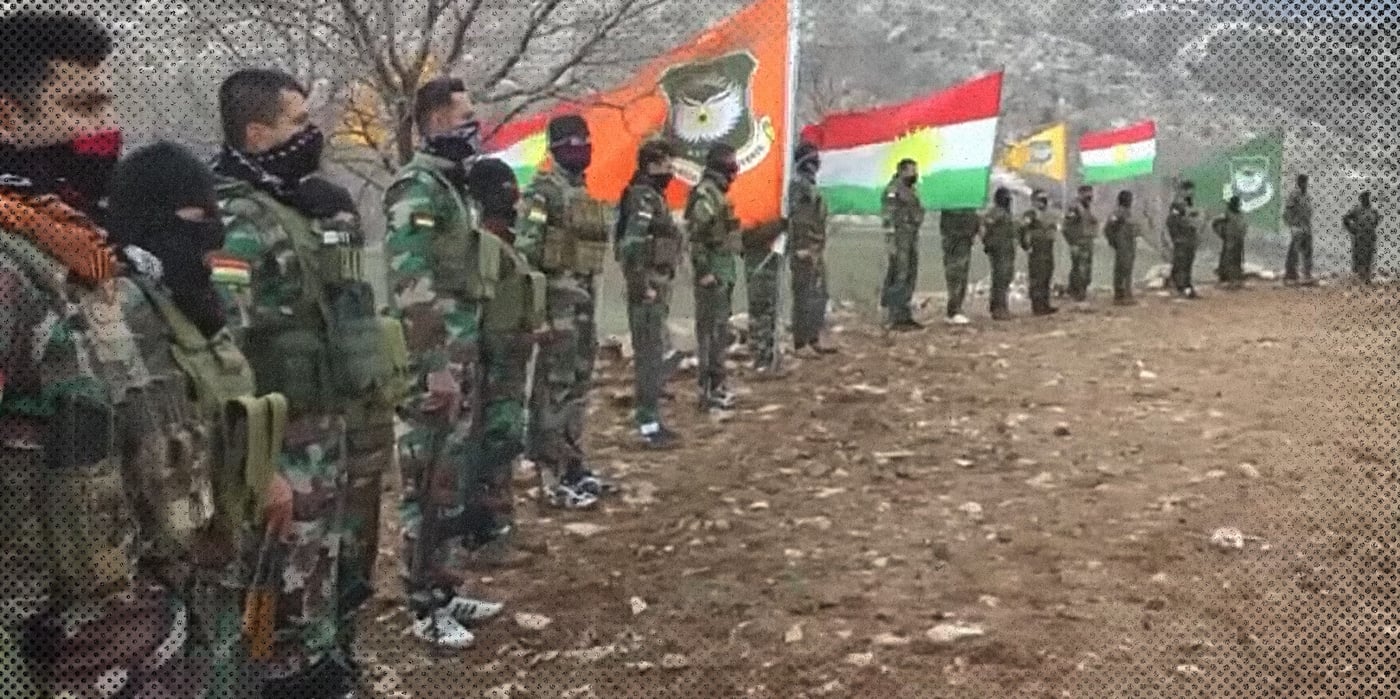

In a region that has been in conflict for time immemorial, a people have carved out a home for themselves. The Kurds are a stateless ethnic group that spans across several countries, including Iran, Iraq, Syria, and Turkey. In Iraq specifically, not only have the Kurds managed to create an autonomous zone that they fiercely defend from all comers, but they are considering aligning with the U.S. to fight against Iran’s jihadist regime.
There is a saying amongst the Kurds: they have “no friends but the mountains.” This ethnic group has been caught in bloody conflict after bloody conflict. After the fall of the Ottoman Empire, the Kurds were not given any sort of sovereign territory. They were divided amongst the nations and left to preserve their way of life and culture in hostile lands. Every time they tried to declare independence, stronger powers shut them down. The late Ayatollah Ali Khamenei even declared jihad against Kurdish insurgents demanding independence.
One thing the Kurds are good at is warfare. Their fighting force, the peshmerga, has become formidable due to its knowledge of the terrain, its bravery, and its toughness.
The Kurds have long sided with the U.S. in various conflicts. They were allies in the Gulf War in the hopes that the U.S. would help them procure their own homeland. Former President George H.W. Bush even engaged Kurdish fighters to rise up against Saddam Hussein. They succeeded in carving out an autonomous zone in Iraq, though this was accomplished via their own grit, not assistance from the U.S.
During the war against ISIS from 2014 to 2019, the Kurds once again lent their strength to America and our allies. However, they were once again abandoned and left to navigate their way through that horrific and bloody war in Syria.
President Donald Trump recently approached the Iraqi and Iranian Kurds to see if they would be willing to once again align themselves with the U.S. in the fight against the Iranian regime. After all, they would be an ideal boots-on-the-ground fighting force once the regime falls.
However, President Trump, after meeting with various Kurdish leaders, changed his mind about enlisting their assistance, reasoning that the war in Iran is complex. Furthermore, should the Kurds go into the heart of Iran, there is a risk they would use their destabilization to declare independence and claim land for their own, changing a war of revolution into a civil war. In fairness, this is not true of many Kurdish factions, most of which would rather have equal rights within a more democratic system of government.
Moreover, the Kurdish leaders in Iraq have voiced their intention to remain neutral for the time being. The Islamic Revolutionary Guard Corps is not yet sufficiently weakened for Kurdish efforts to succeed. That would waste lives and momentum.
Alternatively, if the opportunity presents itself, the Kurds would be willing to stand in the gap, provided that the U.S. arms and supports them. “We have no interest in operating outside of the Kurdish region,” asserts Abdullah Mohtadi, the former exiled secretary general of the Komala party in Iran. “We can prevent chaos, prevent revenge killings. And we can oversee that basic services run, like hospitals and schools. We can do many things. There are tens of thousands of young people ready to pick up arms, providing that the situation is ripe and they know there is support from the United States.”
The Wall Street Journal editors also suggest that enlisting the Kurds would be unwise at this point in the war. The U.S. needs to “keep its eyes on the prize of degrading the regime and its weaponry.”
Getting control over the Strait of Hormuz and Kharg Island would be a big step in depleting the remnants of the regime’s resources.
We are nearly two weeks into this war with Iran, and if the goal is to achieve our goals by the end of the month, stripping Iranian extremists of their means of earning money and maintaining power is a crucial way to do it.