
Crisis pregnancy centers have long been under various forms of attack from abortion mill advocates, particularly in blue states. California, for instance, tried to pass a law requiring these pro-life centers to advertise for, yes, abortion providers in their clinics. Thankfully, the Supreme Court struck down that law.
This week, the Supreme Court delivered yet another commonsense ruling, this time in defense of a crisis pregnancy center in New Jersey called First Choice Women’s Resource Center.
First Choice has been in operation for over 30 years. However, during the Biden administration, lawfare against pro-lifers went into overdrive. As such, then-New Jersey Attorney General Matthew Platkin decided to go after First Choice. The state even admitted that it had no specific complaint with which to go after the organization.
Platkin subpoenaed First Choice, demanding a donor list and accusing it of defrauding donors because it did not equally advertise for or suggest that clients should get abortions. First Choice attempted to sue the state for overstepping by demanding a donor list but was stymied by the lower courts, which sided with the state, holding that First Choice’s First Amendment rights were not being violated.
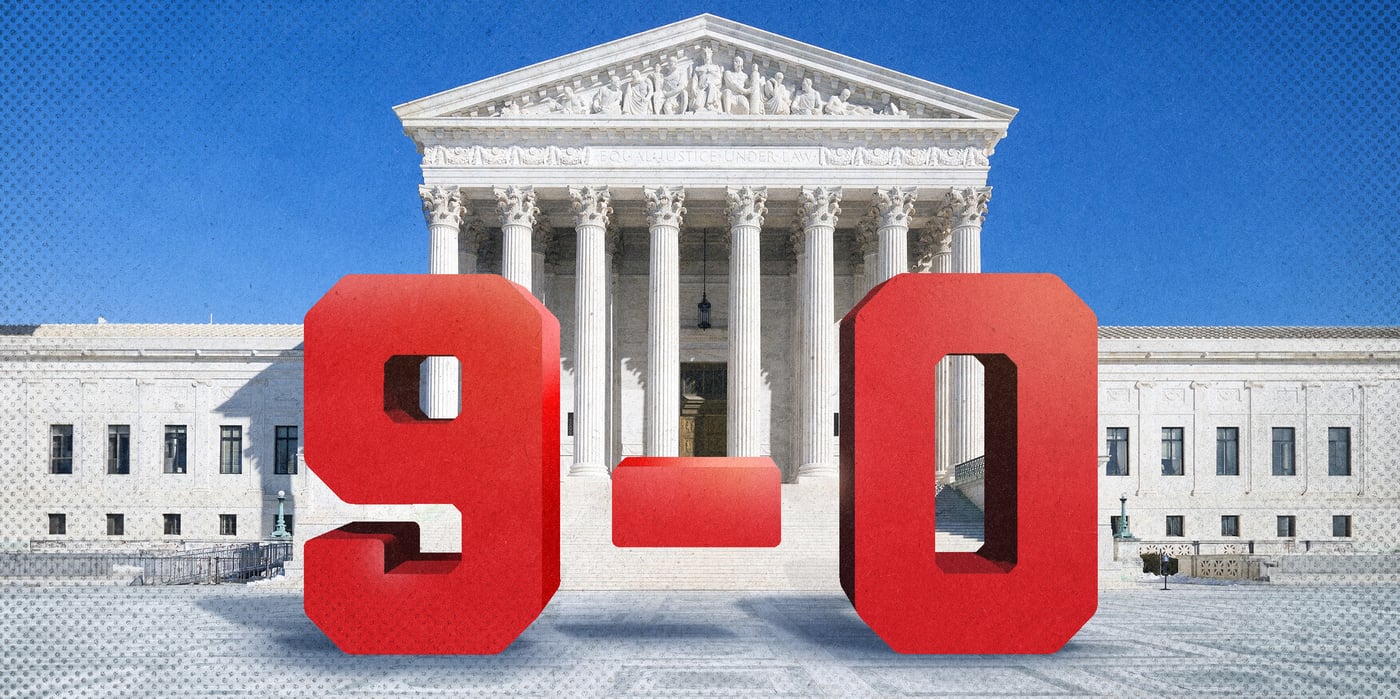
On Wednesday, the Supreme Court ruled unanimously that New Jersey had indeed violated First Choice’s constitutional rights, as well as those of its private donors. As we have seen in other circumstances (Mozilla’s Brendan Eich comes to mind), Democrat activists have used donor information to ostracize and cancel people who support causes they detest.
Justice Neil Gorsuch wrote the opinion and highlighted just how unconstitutional this attempt to seize a private donor list was. He explained:
An injury in fact does not arise only when a defendant causes a tangible harm to a plaintiff, like a physical injury or monetary loss. It can also arise when a defendant burdens a plaintiff’s constitutional rights. ... Our cases have long recognized that demands for a charity’s private member or donor information have just that effect. They “discourag[e]” people from associating with groups engaged in protected First Amendment advocacy. ... They also encourage groups and individuals to cease or modify protected First Amendment advocacy the government disfavors. ... All this occurs not just when a demand is enforced, but when it is made and for as long as it remains outstanding. ...
An official demand for private donor information is enough to discourage reasonable individuals from associating with a group. It is enough to discourage groups from expressing dissident views. A government that chooses to make private donor information public may make the damage worse.
It is also interesting that this decision was unanimous, not split along party lines. One would think that because this case involved a crisis pregnancy center, the left-wing justices would disagree. However, they must be considering the implications for their pet causes if the shoe were on the other foot.
First Choice can now proceed with its lawsuit against New Jersey, and other blue states should take warning. Stop harassing pro-lifers.